
Documentary wedding photography is defined as an observational style that records real, unscripted moments throughout your wedding day without posed or staged shots. The photographer works as a quiet presence, watching and waiting rather than directing. Most photographers working in this style deliver 400 to 800+ edited images for a full day’s coverage. That volume reflects how much of your day gets captured when nothing is missed. Richard Jarmy describes this approach as capturing the feeling of your wedding, not just the look of it.
What is documentary wedding photography and how does it differ from other styles?
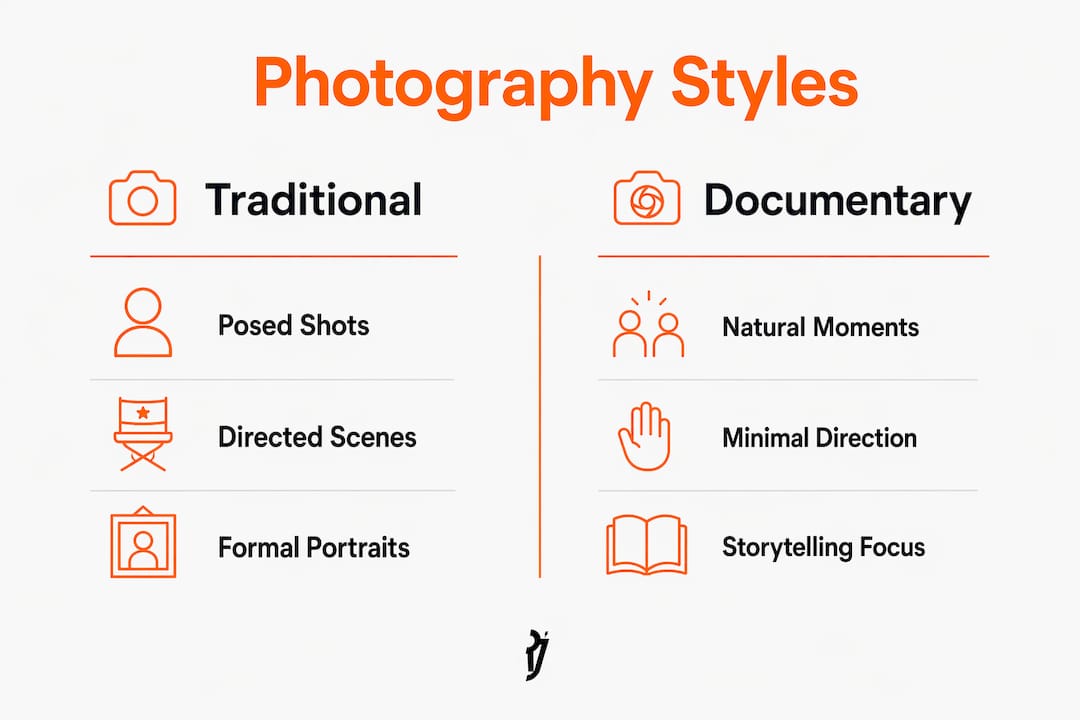
Documentary wedding photography sits within a family of related styles, and the differences matter when you are choosing a photographer. The four main approaches are traditional, candid, photojournalistic, and documentary. Each sits at a different point on the spectrum between full direction and zero intervention.
Traditional wedding photography relies on posing. The photographer arranges couples and groups, directs expressions, and controls the frame. The results are clean and formal, but the images rarely capture what the room actually felt like. Candid photography sits at the opposite end. The photographer shoots freely without any direction at all, prioritising spontaneity over storytelling.
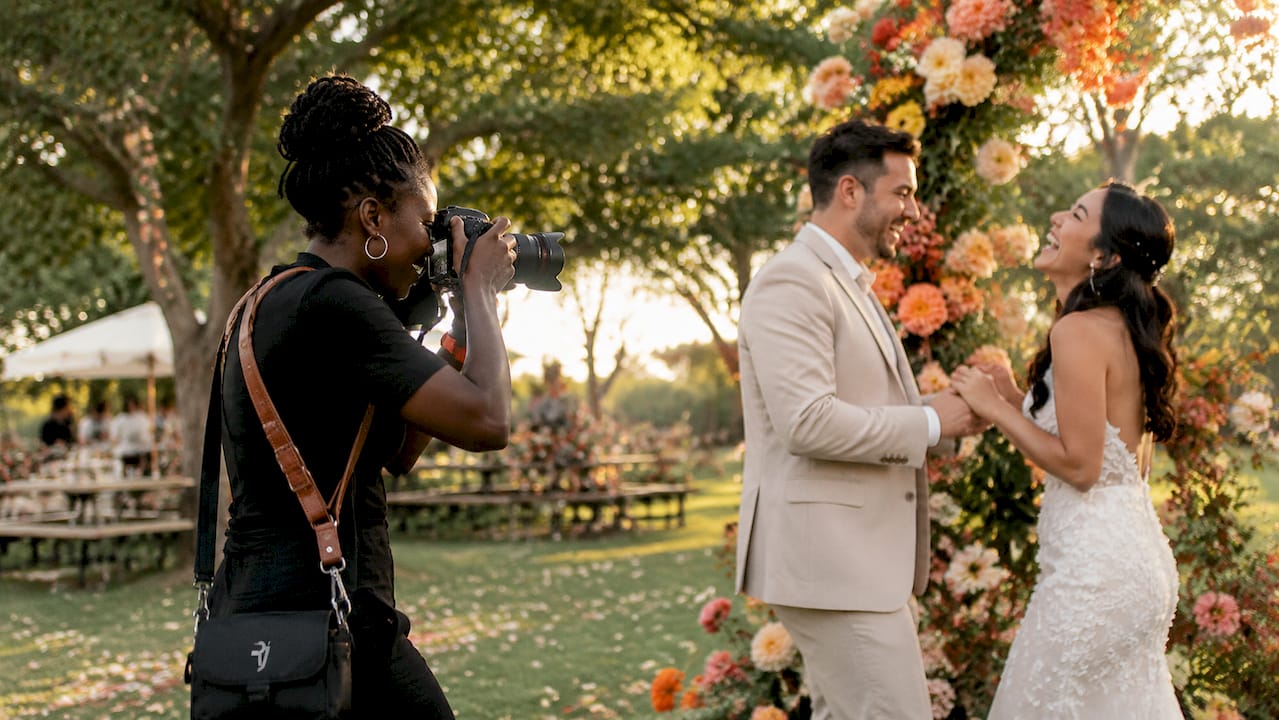
Photojournalism strictly avoids direction, treating the wedding like a news event to be observed and recorded. Documentary style is closely related but allows for light shaping of the story. The photographer may use a gentle prompt to draw out a genuine reaction, but never stages a moment from scratch. Think of it as photojournalism with a little more warmth.
| Style | Direction level | Primary focus |
|---|---|---|
| Traditional | High | Posed, formal portraits |
| Candid | None | Spontaneous moments |
| Photojournalistic | None | Objective observation |
| Documentary | Minimal | Authentic storytelling |
Pro Tip: Ask any photographer you meet to describe their last wedding in three sentences. If they talk about shots they “set up”, they are not working in a true documentary style.
What are the benefits of documentary wedding photography?
The biggest benefit is emotional truth. Documentary photography lets couples relive the emotional essence of their wedding day, moving beyond perfectly posed shots. Expert Samantha Kobrin at Zola puts it clearly: emotion matters more than perfection. That philosophy produces images that feel alive rather than arranged.
Here are the core benefits couples consistently value:
- Authentic storytelling. Your photos reflect what actually happened, including the laughter, the tears, and the chaos of getting ready.
- Relaxed experience. Documentary photography suits camera-shy couples because the focus stays on natural interaction rather than posed smiles. You forget the camera is there.
- Full narrative coverage. The style captures the whole day as a connected story, from the first quiet moments of the morning to the last dance of the night.
- Memories you feel. The images preserve atmosphere and emotion, not just faces and outfits.
- No awkward posing sessions. You spend your wedding day being present, not performing.
“The best wedding photos are the ones where you look back and remember exactly how that moment felt, not just how you looked.”
Couples today increasingly prefer documentary photography to traditional posed styles because it captures the feeling and atmosphere of the day. That shift reflects a wider cultural move towards authenticity. People want their wedding photos to look like their wedding, not a catalogue shoot.
How do documentary wedding photographers work on the day?
The documentary photographer operates as a fly on the wall. They move quietly through the day, reading the room and anticipating moments before they happen. The camera comes up when something real is unfolding, not when the photographer has arranged it.
That said, experienced photographers do use subtle techniques to help genuine moments emerge. Prompts like “walk away and tell each other a secret” produce natural expressions without manufacturing a fake scene. The couple is not posing. They are just doing something, and the photographer captures the result. This blending of candid and editorial technique is what separates skilled documentary work from simple snapshots.
Here is how a typical documentary wedding day unfolds:
- Morning coverage. The photographer arrives during preparations, capturing quiet details and the building excitement before the ceremony.
- Ceremony observation. The photographer works from unobtrusive positions, covering reactions from guests as well as the couple.
- Couple portraits. A short, relaxed session gives the couple a few minutes together. The photographer uses gentle prompts rather than rigid poses.
- Family group shots. A structured 15–20 minute session covers essential family combinations without disrupting the day’s flow.
- Reception coverage. Speeches, first dances, and spontaneous moments on the dance floor all get documented as they happen.
Pro Tip: Talk to your photographer about the family group list before the wedding day. Agree on a short, prioritised list of combinations so the session stays tight and everyone gets back to enjoying the celebration.
Hiring a second shooter is highly recommended for documentary coverage. When the lead photographer is with the couple, the second shooter captures guest reactions simultaneously. Those parallel moments, the grandmother wiping away a tear while the couple share their first kiss, are the images that make a wedding album extraordinary.
Pro Tip: When you enquire with a photographer, ask directly whether a second shooter is included or available as an add-on. Do not assume.
How to choose a documentary wedding photographer
Choosing the right photographer starts with the portfolio. Look for emotion, continuity, and minimal staging when you review their work. A strong documentary portfolio tells a coherent story across an entire wedding day, not just a collection of pretty individual shots. If every image looks perfectly lit and arranged, the photographer is likely working in a more traditional style regardless of how they describe themselves.
Photographers caution couples not to take buzzwords like “documentary” and “photojournalistic” at face value. Clarity about style and approach should come from direct questions. Here is what to ask:
- “How much do you direct during the day?” The answer should involve minimal direction and a preference for observation.
- “Can I see a full wedding gallery, not just highlights?” Highlights are curated. A full gallery shows how they handle the quiet moments between the big ones.
- “Do you use prompts, and what does that look like in practice?” This reveals whether they understand the balance between candid and editorial.
- “How many images will I receive, and what is your turnaround time?” Most documentary photographers deliver 400 to 800+ images for a full day.
- “Do you work with a second shooter?” For documentary coverage, this is a practical necessity, not a luxury.
An engagement shoot before the wedding is one of the best investments you can make. It gives you time with the photographer in a relaxed setting, so by the wedding day you are comfortable in front of the camera. That comfort shows in every image.
Pro Tip: Review your photographer’s wedding photography timeline guidance before the day. A well-planned schedule gives the photographer the time they need to capture each part of the story properly.
Key takeaways
Documentary wedding photography captures the real story of your day through observation, minimal direction, and authentic emotion rather than posed perfection.
| Point | Details |
|---|---|
| Core definition | Documentary style records unscripted moments with minimal photographer intervention. |
| Image volume | Most photographers deliver 400 to 800+ edited images for full-day coverage. |
| Camera-shy couples | The style suits couples who feel uncomfortable posing, as focus stays on natural interaction. |
| Second shooters | A second shooter captures simultaneous moments the lead photographer cannot cover alone. |
| Portfolio vetting | Look for emotion, continuity, and minimal staging across a full wedding gallery, not just highlights. |
Why I think documentary photography is the most honest gift you can give yourself
I have photographed weddings where couples spent more time being directed than actually being present. They got beautiful, formal images. But when I spoke to them afterwards, they said the day felt like a blur. They were so focused on performing for the camera that they missed the experience itself.
Documentary photography solves that. When I work in this style, my job is to disappear. I am watching for the moment your dad sees you for the first time, or the way your best friend laughs during the speeches. Those moments happen whether or not I am pointing a camera at them. My job is simply to be ready.
The most common concern I hear is that unposed photography means missing the formal family photos. That is a genuine worry, and it is worth addressing directly. A short, well-organised group session of 15–20 minutes handles all the essential combinations. The rest of the day stays free. Nobody has to stand in a line for an hour.
The other misconception is that documentary means every photo is blurry or unflattering. Skilled documentary photographers use light, composition, and timing to produce images that are both natural and beautiful. The difference is that the beauty comes from the moment, not from the arrangement.
If your priority is images that make you feel something every time you look at them, documentary style is the right choice. If you want a formal record of how everyone looked, traditional photography serves that purpose well. Most couples want both, and a good documentary photographer knows how to deliver that balance.
— Richard Jarmy
Richard Jarmy’s documentary wedding photography services
If you are drawn to the idea of a wedding album that tells your real story, Richard Jarmy’s approach is built around exactly that.
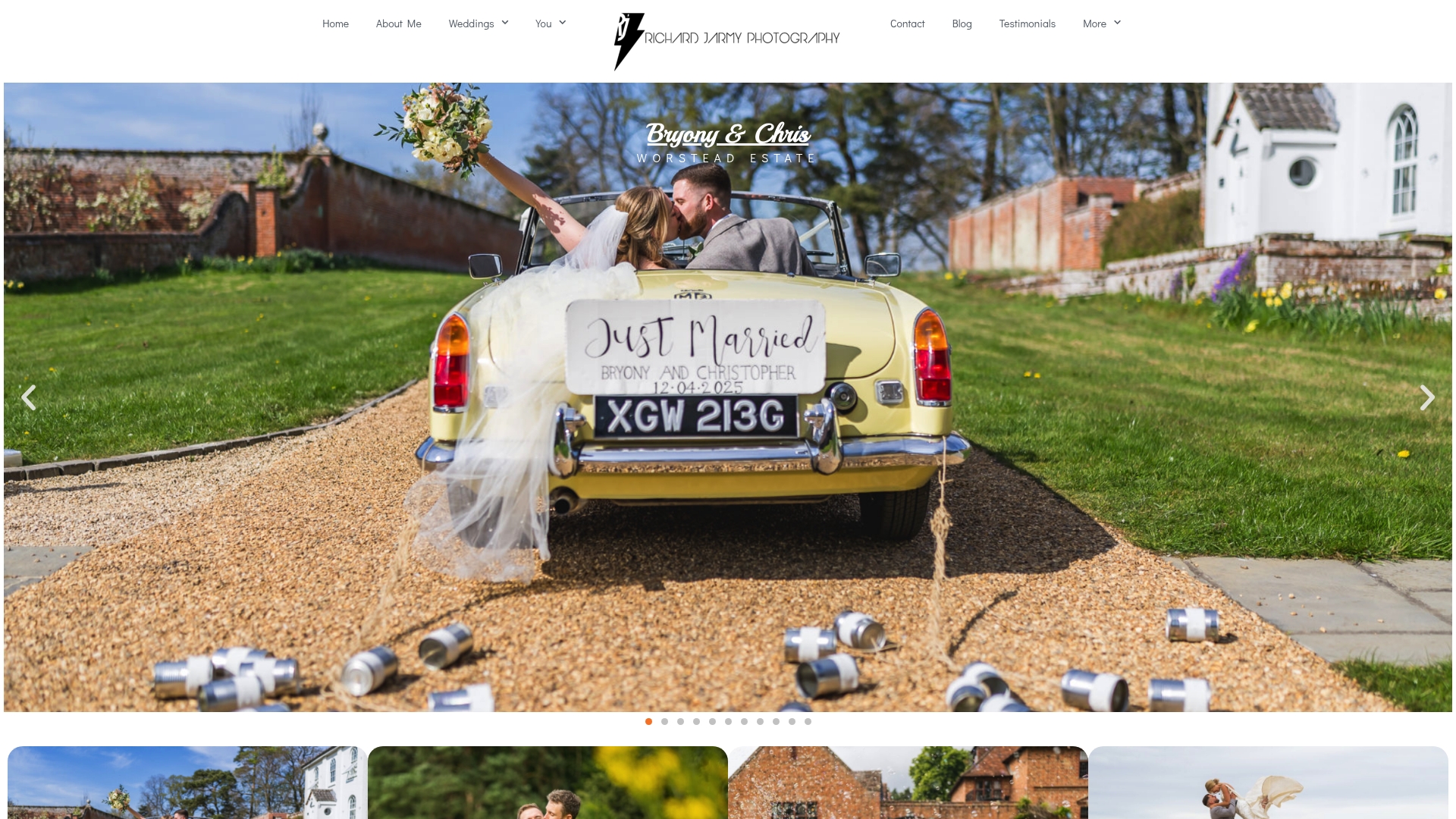
Richard Jarmy specialises in warm, joyful documentary wedding coverage that puts you at ease from the very first conversation. Every booking includes a pre-wedding consultation to build rapport, so you feel relaxed and natural on the day itself. You can browse the full wedding gallery to see authentic storytelling in action across a range of real weddings. When you are ready to talk about your day, the weddings page has everything you need to get in touch and check availability.
FAQ
What is documentary wedding photography in simple terms?
Documentary wedding photography is an observational style that captures real, unscripted moments throughout your wedding day with minimal direction from the photographer. The goal is authentic storytelling rather than posed perfection.
How is documentary different from traditional wedding photography?
Traditional wedding photography relies on posing and direction, while documentary style focuses on observing and recording moments as they naturally unfold. Documentary images capture emotion and atmosphere; traditional images capture formal arrangements.
Will I still get family group photos with a documentary photographer?
Yes. Most documentary photographers schedule a short, structured session of around 15–20 minutes for essential family combinations. This keeps formal coverage efficient without disrupting the natural flow of the day.
Is documentary wedding photography suitable for camera-shy couples?
Documentary photography is particularly well suited to camera-shy couples because the focus stays on natural interaction rather than posed smiles. When you are not being directed, you quickly forget the camera is there.
How many photos will I receive from a documentary wedding photographer?
Most documentary photographers deliver 400 to 800+ edited images for a full day of coverage. The exact number depends on the length of coverage and whether a second shooter is included.