
Wedding photography style is defined as the approach a photographer uses to shape both the look of your images and the experience you have on your wedding day. Choosing the right style is the first real decision you make about your wedding album, and it matters more than most couples realise. The types of wedding photography styles range from candid documentary to polished fine art, and each one produces a completely different result. Documentary and candid styles require less posing, while editorial and fine art styles involve more direction from your photographer. Understanding the difference before you book saves a lot of disappointment later.
What are the most popular types of wedding photography styles?
Documentary photography is the most requested style globally in 2025–2026, followed by hybrid blends involving fine art or editorial. That tells you something important: couples want real moments, but they also want a few beautiful, crafted portraits in the mix. Below are the eight main styles you will encounter when searching for a photographer.
1. Documentary (reportage)
Documentary wedding photography is built on an ethic of minimal interference and truthfulness, not just capturing candid moments. Your photographer observes and records the day as it unfolds, without staging or directing. The result is a story told through genuine emotion, laughter, and the small details you would otherwise miss. This style suits couples who feel awkward in front of a camera and want their day to feel completely natural.
2. Photojournalistic
Photojournalistic style is closely related to documentary but places even greater emphasis on storytelling. The photographer works like a news journalist, anticipating moments before they happen and capturing them at the peak of emotion. Photojournalistic and documentary styles prioritise authenticity and narrative over aesthetics. If you want your album to read like a film, this is the approach for you.
3. Fine art
Fine art wedding photography treats every frame as a considered composition. Lighting, posing, and location are all carefully controlled to produce images that feel timeless and gallery worthy. This style suits couples who love clean, elegant aesthetics and do not mind spending 20–30 minutes on portrait sessions. The editing tends to be soft, with muted tones and a film inspired colour palette.
4. Editorial (fashion forward)
Editorial style borrows from fashion and magazine photography. Your photographer will direct you into poses and use dramatic lighting to create bold, striking images. Think Vogue cover rather than family album. This style works brilliantly for couples who love fashion, have a strong visual identity, or are getting married in a dramatic venue.
5. Dark and moody
Dark and moody is primarily an editing style, though it influences how a photographer shoots as well. Images are processed with deep shadows, rich contrast, and desaturated tones that give the album a cinematic, atmospheric quality. Bright and airy editing remains the most popular style, with dark and moody growing steadily in demand. This style suits autumn and winter weddings, candlelit venues, and couples who love a dramatic, romantic look.
6. Bright and airy
Bright and airy is the most widely requested editing style right now. Images are light, soft, and warm, with gentle highlights and a clean, fresh feel. This approach works beautifully for outdoor summer weddings, barn venues, and couples who want their photos to feel joyful and uplifting. It pairs naturally with documentary or fine art shooting styles.
7. Film and analogue
Film photography uses physical 35mm or medium format film rather than a digital sensor. The results have a distinctive grain, warmth, and colour rendering that digital editing can approximate but never fully replicate. This style suits couples who love a nostalgic, romantic feel and are happy to invest more, as film processing adds to the overall cost. Some photographers shoot entirely on film; others blend one or two film rolls with digital coverage.
8. Traditional and classic
Traditional wedding photography is the formal, posed style that has been the industry standard for decades. Group shots, family portraits, and carefully arranged couple portraits form the backbone of the album. This style suits couples whose families expect formal photographs and who want a complete, structured record of the day. It is less fashionable right now, but it remains the clearest way to document everyone who attended.
Pro Tip: Ask any photographer you are considering to show you a full wedding gallery, not just their portfolio highlights. A curated portfolio shows their best work; a full gallery shows you what you will actually receive.
How do photographers blend styles to create a personalised album?
Most photographers do not adhere to a single rigid style but instead offer hybrid blends. This is the norm in professional practice, not the exception. A typical approach looks like this:
- Ceremony and reception: documentary or photojournalistic coverage, with minimal direction
- Couple portraits: fine art or editorial techniques, with gentle posing and considered lighting
- Group shots: traditional or classic framing to satisfy family expectations
- Editing: a consistent colour palette applied across all images to unify the album
Editing style and shooting style are two separate decisions, and both shape the final feel of your album. A photographer can shoot documentary style but edit with a dark and moody colour grade, producing images that feel both candid and cinematic. Understanding this distinction helps you ask much better questions when you meet potential photographers.
“The best wedding albums are rarely the product of one rigid style. They come from a photographer who knows when to step back and observe, and when to step in and create. That balance is what makes a wedding album feel both real and beautiful.”
Hybrid wedding photography combining documentary, editorial, and candid approaches throughout the day is the standard among professionals in 2026. When a photographer tells you they “do documentary,” ask them what they do for portraits. The answer reveals how flexible and experienced they really are.
Which style suits your personality and wedding day goals?
Couples who prioritise being present tend to choose documentary or candid styles, while those who enjoy direction prefer editorial or fine art. Your comfort in front of a camera is the single most important factor in this decision. Here is a simple guide to help you match your personality to a style:
| Style | Posing level | Photographer direction | Best editing tone |
|---|---|---|---|
| Documentary | None | Minimal | Bright and airy or natural |
| Photojournalistic | None | None | Natural or film |
| Fine art | High | High | Soft, muted, or film |
| Editorial | High | High | Bold contrast or dark and moody |
| Traditional | Medium | Medium | Classic, neutral |
| Film/analogue | Low to medium | Low to medium | Warm, grainy, nostalgic |
| Dark and moody | Low to medium | Low | Deep shadows, rich contrast |
| Bright and airy | Low to medium | Low | Light, soft, warm |
Your venue also plays a role. A candlelit country house lends itself to dark and moody editing. A wildflower meadow in july suits bright and airy perfectly. Think about the atmosphere you want to remember, not just the images you want to display.
Pro Tip: Browse a photographer’s wedding gallery and notice how you feel, not just what you see. If the images make you smile or feel something, that photographer’s style is probably right for you.
What questions should you ask photographers about their style?
Photographers use the term “style” to describe their shooting approach, their editing, and their interaction level on the day. Asking the right questions separates photographers who genuinely live their stated style from those who simply use it as a marketing label.
- How do you balance candid and posed shots throughout the day? This reveals whether they are truly documentary led or more directive than they admit.
- Can I see a full wedding gallery from a recent booking? Highlights are curated; full galleries show consistency and coverage.
- How would you describe your editing approach? Ask specifically about brightness, colour tone, and whether they use presets or edit each image individually.
- How do you adapt your style to different venues and lighting conditions? A skilled photographer adjusts; a rigid one struggles.
- What is your philosophy on interfering with the day? This question reveals their true approach to minimal interference versus active direction.
Pro Tip: If a photographer cannot clearly explain how they blend styles or becomes defensive when asked about their editing process, that is a signal worth paying attention to. Confidence and clarity in this conversation usually predict confidence and clarity on the day itself.
For further guidance on finding the right fit, choosing an authentic photographer is a process that goes well beyond style labels alone.
Key takeaways
The most effective approach to wedding photography style selection is to match your comfort level and venue atmosphere to a style, then confirm the photographer’s hybrid approach before you book.
| Point | Details |
|---|---|
| Style shapes experience, not just images | Your chosen style determines how much direction you receive and how natural the day feels. |
| Hybrid is the professional standard | Most photographers blend documentary coverage with fine art or editorial portraits throughout the day. |
| Editing and shooting are separate choices | A photographer can shoot candidly but edit with a dark and moody or bright and airy palette. |
| Ask for full galleries | Portfolio highlights show best work; full galleries reveal what you will actually receive. |
| Comfort drives style selection | Couples who dislike posing suit documentary; those who enjoy direction suit fine art or editorial. |
Why I think style labels can mislead couples
Couples often arrive at our first conversation with a rigid style label in mind. They have spent hours on Pinterest saving images labelled “dark and moody” or “fine art,” and they want to know if I fit that box. I understand it completely. But here is what I have found after years of photographing weddings: the label rarely tells the full story.
The couples who end up with the albums they love are the ones who talked to me about how they wanted to feel on the day, not just how they wanted the photos to look. One couple told me they wanted to laugh all day and not think about the camera. Another said they had dreamed of a few really beautiful, crafted portraits. Both were right. Both got what they wanted, because we talked it through honestly before the wedding.
Couples often struggle because they try to force their photographer into one box rather than discussing how the photographer balances different techniques. Style fluidity is a skill, not a compromise. The best wedding albums come from photographers who know when to disappear into the background and when to step forward and create something beautiful. My advice is always this: prioritise the conversation over the label. If a photographer listens well and makes you feel at ease, the style will follow naturally.
— Richard Jarmy
How Richard Jarmy Photography approaches your wedding style
Richard Jarmy Photography specialises in warm, joyful, and candid coverage that puts you at ease from the very first conversation. The focus is always on genuine moments, real smiles, and the kind of memories that make you feel something every time you look at them.
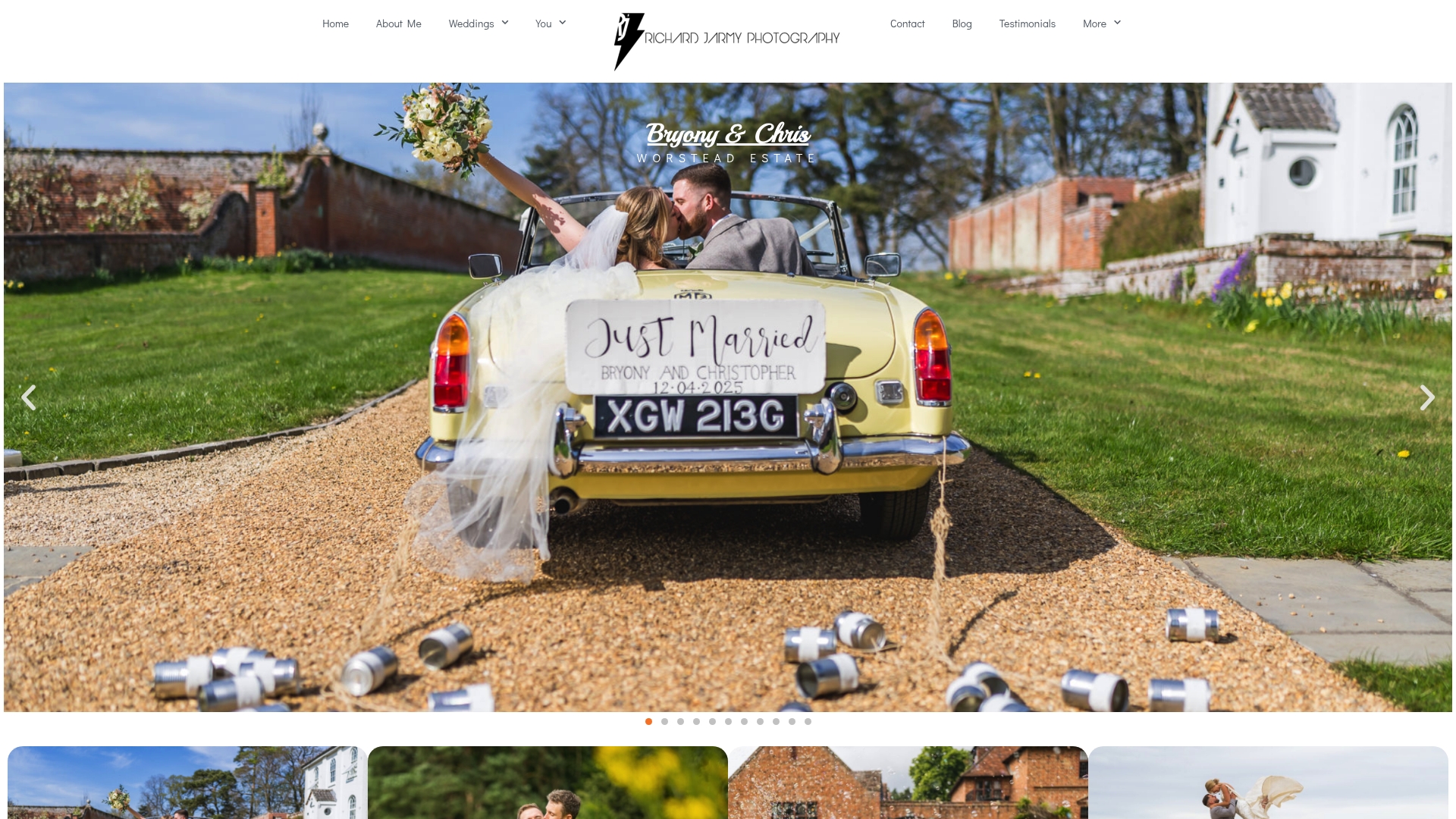
Richard blends documentary coverage with carefully crafted portraits, tailoring the balance to suit your personality and your day. Whether you love the idea of a relaxed, natural album or you want a handful of stunning, directed portraits, the approach flexes to fit you. You can explore the full range of wedding photography services on the website, or browse real wedding galleries to get a feel for the style in action. If you are curious about a more playful, informal approach, the fun photography style page explains how that works in practice.
FAQ
What is a wedding photography style?
A wedding photography style is the approach a photographer uses to capture and edit your images, covering both how they interact with you on the day and the visual tone of the final album.
What is photojournalistic wedding style?
Photojournalistic wedding style is a documentary approach that prioritises minimal interference and truthful storytelling, capturing moments as they happen without posing or staging.
Which wedding photography style is most popular?
Documentary photography is the most requested style globally in 2025–2026, often combined with fine art or editorial portraits to create a hybrid album.
How do I choose between candid and posed wedding photography?
Base your choice on your comfort in front of a camera. Couples who dislike posing suit documentary or candid styles; couples who enjoy direction suit fine art or editorial approaches.
Can a photographer use more than one style at my wedding?
Yes. Most professional photographers blend styles throughout the day, using documentary coverage for the ceremony and editorial or fine art techniques for couple portraits.