
Event photography coverage is defined as the specific styles and approaches a photographer uses to capture moments at an occasion, tailored to the event’s goals and priorities. Choosing the right types of event photography coverage makes the difference between a collection of forgettable snapshots and a set of images that genuinely tell your story. Whether you are planning a wedding, a corporate conference, or a birthday celebration, understanding the main coverage options helps you brief your photographer with confidence. This guide breaks down each coverage type, explains where it works best, and shows you how to avoid the gaps that leave clients disappointed.
1. What are the main types of event photography coverage?
Event photography coverage broadly falls into five recognised styles, each serving a different purpose. Understanding them helps you build a brief that gets the results you actually want.
- Candid coverage captures spontaneous, unposed moments. Laughter between guests, a surprised reaction, a quiet conversation in the corner. These images feel real because they are real. Candid photography is the backbone of wedding albums and party galleries alike.
- Posed photography focuses on formal portraits and arranged group shots. Think family line-ups at weddings, team photos at corporate away-days, or official headshots at a conference. Posed shots give you the images you can frame and display with pride.
- Documentary coverage tells the full story of an event from start to finish. The photographer works continuously, moving through the venue and capturing the narrative arc of the day. Richard Jarmy describes this as “the gift of happiness” preserved in sequence.
- Staged or thematic photography uses planned scenes, props, or branded backdrops. Photo booths at parties and branded step-and-repeat walls at product launches are common examples. This style is planned in advance and requires coordination with the event team.
- Social media-focused coverage prioritises fast turnaround and visually punchy images sized for Instagram, LinkedIn, or Twitter. Corporate clients and brand events increasingly request this as a standalone deliverable alongside the main gallery.
Most events benefit from a blend of at least two of these styles. A wedding, for example, works best when candid warmth is balanced with a handful of posed family portraits.
2. How do different event types influence photography coverage?
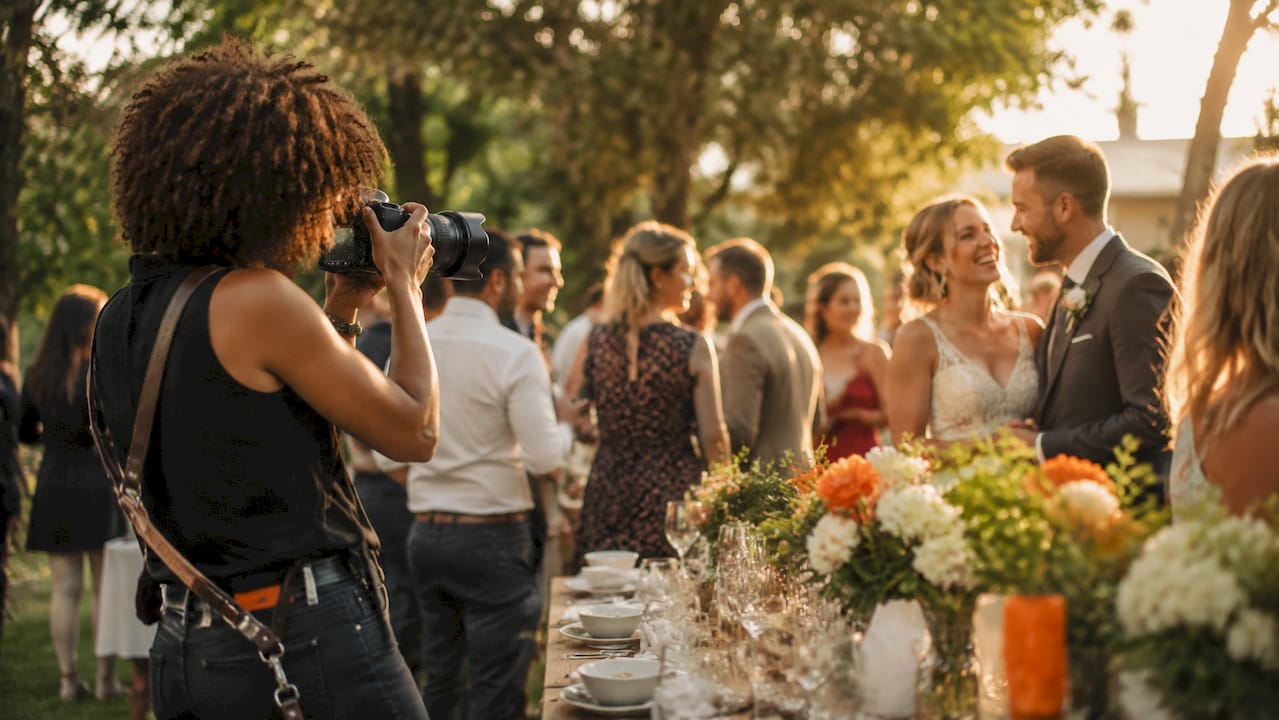
The nature of your event shapes which coverage styles matter most. A one-size approach rarely works.
Weddings demand the widest range of coverage. Couples need posed portraits, candid emotion, and documentary storytelling woven together. Wedding photography coverage typically spans the full day, from getting-ready shots through to the first dance. Missing any phase leaves a gap in the story.
Corporate events prioritise brand-safe documentation and fast image delivery. Corporate event photography focuses on keynote speakers, panel discussions, networking moments, and branded environments. Parallel shooting at multi-room events is standard practice, with separate photographers assigned to breakout sessions. Networking breaks are treated as high-value candid opportunities, not downtime.
Parties and celebrations favour candid and social media-ready styles. Guests want fun, energetic images that capture the atmosphere. Staged elements like photo booths add an interactive layer that guests genuinely enjoy.
Festivals and large-scale events require a coordinated team approach. A single photographer cannot cover multiple stages, crowd reactions, and backstage moments simultaneously. Planning parallel coverage zones in advance is the only way to avoid gaps.
Coverage decisions also shift based on:
- Event duration (a two-hour drinks reception needs different planning than a full-day conference)
- Guest count (larger crowds need wider coverage to capture representative moments)
- Client goals (internal communications, press release, social media, or personal memories each call for different image types)
3. What are common event photography coverage gaps and how to avoid them?
Coverage gaps are the most common complaint after an event. Inadequate coverage often results from too few photographers or missing coverage zones, causing gaps in candid shots, behind-the-scenes images, or branding details. The good news is that most gaps are preventable with a little planning.
1. Focusing only on the stage
Photographers who stay fixed at the front miss audience reactions, side conversations, and the energy in the room. Audience shots are often the most emotionally powerful images from a conference or performance.
2. Neglecting detail and branding shots
Centrepieces, table settings, signage, and branded materials tell the story of the event’s identity. These shots are frequently skipped when there is no explicit brief requesting them.
3. Underestimating the need for multiple photographers
One photographer cannot be in two places at once. At weddings, this means the groom getting ready and the bride getting ready happen simultaneously. At corporate events, two breakout sessions run at the same time. Simultaneous moments require prioritising key people and events with multiple shooters.
4. No written brief
A detailed photographer brief specifying moments, people, timing, and delivery instructions reduces missed shots significantly. Briefs typically run several pages and include shot lists and brand assets. Relying on verbal instructions alone is a reliable route to disappointment.
5. Poor scheduling for group photos
Group shots take longer than anyone expects. Including a dedicated fifteen minutes for group photography in the schedule, plus a five-minute buffer between major programme items, improves coverage quality noticeably.
6. Ignoring the arrival and departure window
Guests arriving, greeting each other, and leaving often produce some of the most natural candid moments of the day. Many planners overlook this window entirely.
Pro Tip: Pro Tip: Write your shot list as a timeline, not just a list of names. Include the location, the people involved, and the approximate time for each shot. Your photographer will thank you, and you will get the images you actually wanted.
4. How to choose the best event photography coverage for your occasion
Choosing the right coverage option comes down to four factors: event scale, key moments, delivery expectations, and budget.
| Factor | What to consider |
|---|---|
| Event scale | Larger events with multiple rooms or simultaneous moments need a second photographer. |
| Key moments | List your non-negotiable shots first, then build coverage around them. |
| Delivery format | Decide upfront whether you need edited JPEGs, RAW files, or social media crops. |
| Coverage time | Confirm exactly what the booked hours include. Coverage time in contracts sometimes includes arrival and setup, not just event hours. |
| Usage rights | Agree commercial usage terms before signing. Negotiating RAW delivery and commercial rights early avoids disputes later. |
Single photographer vs. a team
A single photographer suits intimate events: small weddings, private dinners, and portrait sessions. A team suits anything with parallel moments, large guest counts, or multi-room venues.
Candid vs. posed balance
Candid-heavy coverage suits relaxed, social events. Posed coverage suits formal occasions where specific group shots are required. Most events need roughly 70% candid and 30% posed, though this varies widely by client preference.
Delivery expectations
RAW files are commonly excluded from standard packages and are often priced as an add-on. If you plan to edit images yourself or publish them commercially, negotiate RAW delivery before you sign the contract. A clear photography contract for events protects both sides.
Pro Tip: Ask your photographer to walk through the venue before the event. Knowing the light, the layout, and the key locations means they spend the day capturing moments, not finding their feet.
Key takeaways
The best event photography coverage combines the right styles, a clear written brief, and realistic scheduling to capture every moment that matters.
| Point | Details |
|---|---|
| Match coverage style to event type | Weddings need documentary and candid; corporate events need brand-safe documentation and parallel coverage. |
| Write a detailed brief | A written shot list with timings and locations reduces coverage gaps more than any other single action. |
| Plan for simultaneous moments | Book a second photographer whenever two key moments happen at the same time. |
| Clarify contract terms | Confirm what coverage hours include and negotiate RAW files and usage rights before signing. |
| Schedule group shots explicitly | Allocate dedicated time for group photography to avoid rushed or missed shots. |
What I have learned about event photography coverage
I have photographed weddings, corporate events, and private celebrations for years, and the single biggest lesson I keep coming back to is this: the brief matters more than the budget.
Clients sometimes assume that booking a photographer means everything will be captured. A written photography schedule and brief greatly reduce missed moments compared to relying on improvisation alone. I have seen beautifully budgeted events produce disappointing galleries simply because no one wrote down what mattered most.
The other thing I feel strongly about is the balance between candid and posed coverage. Posed shots give you the images you will frame. Candid shots give you the images that make you laugh and cry ten years later. You need both. Leaning too far in either direction leaves the story feeling incomplete.
One thing that surprises clients is how much prioritising keynote moments over arrivals changes the quality of a corporate gallery. Over-allocating time to people walking through a door reduces focus on the content that actually communicates your brand’s story.
My honest advice: plan early, share your brief in writing, and talk to your photographer about the venue before the day. The images you get back will reflect exactly how much thought went into the preparation.
— Richard Jarmy
Richard Jarmy Photography: coverage built around your event
Richard Jarmy Photography offers warm, candid-led coverage for weddings, corporate events, and private celebrations, with every package built around what matters most to you.
Whether you are planning an intimate wedding or a large-scale corporate event, Richard Jarmy brings the same joyful, people-first approach to every occasion. Wedding photography packages cover the full day from getting-ready moments through to the evening reception. Commercial event coverage is tailored for conferences, brand events, and professional occasions where fast delivery and brand-safe imagery are the priority. Every booking includes a pre-event conversation to talk through your brief, your venue, and the moments you most want to capture. Get in touch to find the right coverage for your occasion.
FAQ
What is event photography coverage?
Event photography coverage is the range of styles and approaches a photographer uses to document an occasion, from candid moments and posed portraits to full documentary storytelling.
How many photographers do I need for my event?
One photographer suits small, single-location events. Two or more photographers are needed whenever key moments happen simultaneously in different locations.
Are RAW files included in event photography packages?
RAW files are commonly excluded from standard packages and are often available as a paid add-on. Negotiate RAW delivery and usage rights before signing your contract.
What is the most common gap in event photography coverage?
The most common gap is focusing only on the stage or main subject while missing audience reactions, detail shots, and behind-the-scenes moments. A written brief with a full shot list prevents this.
How do I avoid missing important moments at my event?
Provide your photographer with a written brief that includes a timeline, key people, and specific shots required. Schedule group photos explicitly and build buffer time between major programme items.