
Wedding photo editing is the post-production process that transforms thousands of raw files into a curated, emotionally coherent collection you will treasure for life. The role of editing in wedding photos goes far beyond simply brightening an image. It shapes colour, mood, consistency, and storytelling across every frame. Without it, even the most beautifully captured moments can feel flat, mismatched, or technically inconsistent. This guide explains exactly what professional editing involves, why it matters so deeply, and what you should expect from your photographer.
What does the role of editing in wedding photos actually involve?
Professional wedding photo editing is a multi-stage workflow, not a single click. The industry term for this process is post-processing, and it covers everything from selecting the best frames to applying the final colour grade. Understanding each stage helps you appreciate why quality editing takes real time and skill.
The process follows a clear sequence:
- Culling. An 8-hour wedding produces between 10,000 and 15,000 raw files. A photographer culls these down to 500–800 keeper images. This stage alone takes 6–10 hours and requires sharp editorial judgement.
- Technical correction. Every keeper image receives exposure adjustment, white balance correction, and shadow or highlight recovery. This is especially important at venues with mixed lighting, such as a church ceremony followed by a golden-hour outdoor reception.
- Colour grading. This is where the visual tone of your album is set. Warm, film-like tones feel romantic. Clean, bright tones feel modern. The grade must stay consistent across hundreds of images shot in changing light.
- Retouching. Skin retouching removes temporary blemishes, softens harsh shadows under eyes, and tidies distracting background details. The goal is natural enhancement, not artificial perfection.
- Export and delivery. Images are sized, sharpened, and exported for print and digital use, then uploaded to a gallery platform.
A professional photographer spends 20–36 hours editing a single wedding. Colour correction alone accounts for 8–15 hours of that total. That figure surprises most couples, but it explains why a well-edited gallery is worth waiting for.
Pro Tip: Ask your photographer to share a sample gallery from a previous wedding before you book. This shows you their editing style in action, not just their best portfolio shots.
How does editing shape the emotional story of your wedding?
A wedding album is not a random collection of nice photos. It is a narrative. Colour grading, exposure adjustments, and retouching work together to build that story image by image. When done well, editing makes your gallery feel like a film you can revisit, not a folder of files.
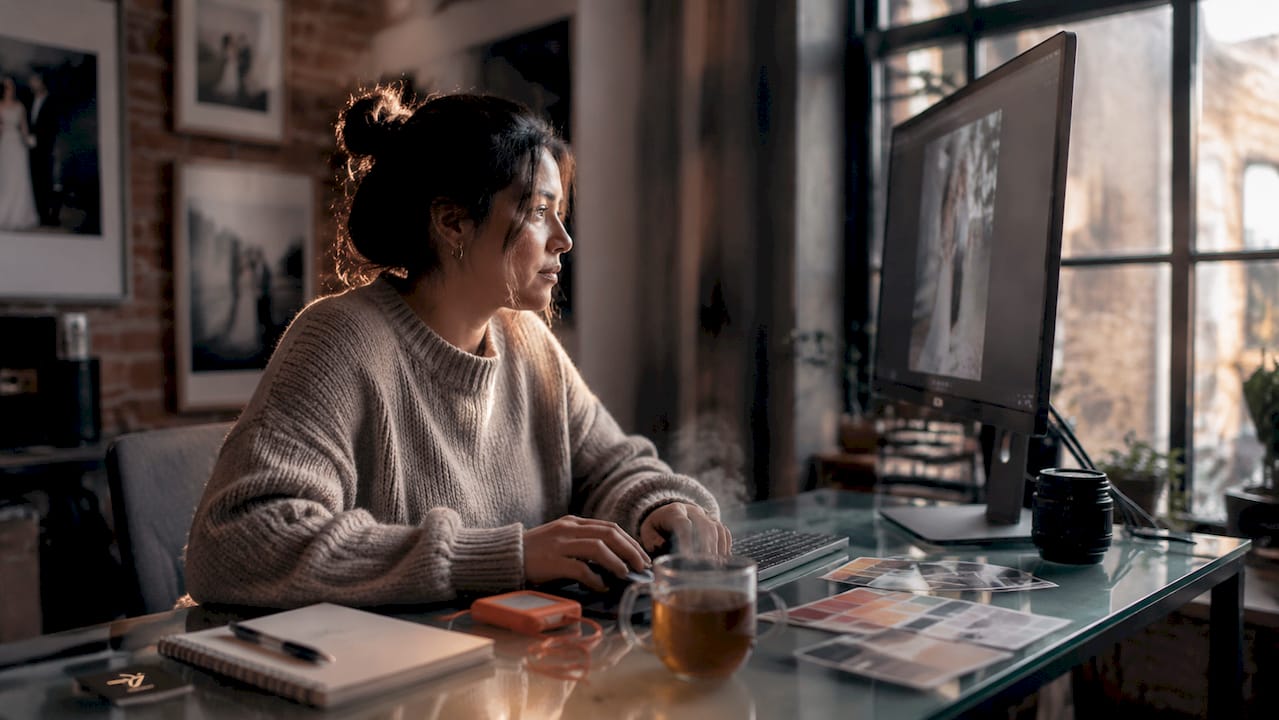
Consistent colour tones are the backbone of this storytelling. If your ceremony images are warm and golden but your reception shots are cool and blue, the album feels disjointed. A skilled editor matches the mood across every environment, from a candlelit church to a bright marquee at midday.
Sequencing matters just as much as individual image quality. The order in which photos are presented guides your emotional journey through the day. A well-sequenced gallery builds from the quiet anticipation of getting ready, through the joy of the ceremony, to the laughter and dancing of the evening. Editing decisions about which images to include and exclude directly shape that arc.
Here is what great storytelling editing looks like in practice:
- Selective black-and-white conversions add weight to emotional moments, such as a parent’s tearful reaction or a quiet glance between partners.
- Consistent skin tones across the full gallery mean every person looks like themselves, regardless of the lighting conditions when the shot was taken.
- Balanced highlights and shadows preserve detail in white dresses and dark suits simultaneously, which is one of the hardest technical challenges in wedding photography.
- Subtle vignetting draws the eye to the subject without the viewer noticing the technique.
Balanced edits support mood and authenticity rather than overpowering the moments they frame. The best editing is invisible. You feel the emotion first and notice the technique last, if at all.
Pro Tip: When reviewing your photographer’s portfolio, look at a full gallery rather than just highlight images. Consistency across 600 photos tells you far more than 20 cherry-picked shots.
What editing trends should couples know about in 2026?
The biggest shift in wedding photo editing right now is a move away from heavy filters and towards authenticity. Clients increasingly value editing that reflects genuine emotion and natural appearance over heavily stylised effects. This is good news for couples who want their photos to feel timeless rather than dated.
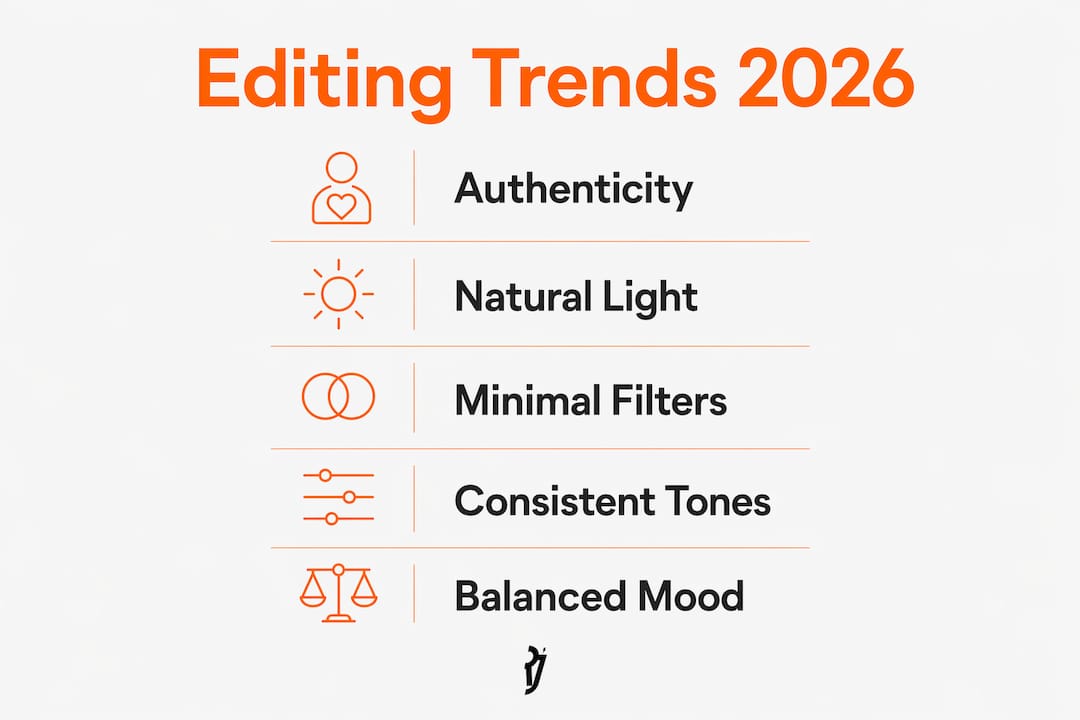
The risks of trendy, heavy-handed edits are real. An orange-tinted skin tone or a heavily faded, washed-out look might feel fashionable in 2026 but can look odd in ten years. Heirloom photos need to hold up across decades, not just social media feeds. The strong trend toward authentic editing that preserves natural skin tones and real-life colours is a direct response to couples who regret heavily filtered galleries from years past.
What this means for you practically:
- Discuss your preferred style before you book. Share reference images with your photographer so they understand whether you lean towards bright and airy, warm and film-like, or clean and natural.
- Ask to see engagement session edits. The role of editing in engagement photo delivery is a useful preview of how your wedding gallery will look and feel.
- Avoid requesting edits that remove natural features permanently. Smoothing a temporary blemish is fine. Digitally altering your face shape is not, and most photographers will advise against it.
- Trust subtle corrections over dramatic effects. Technological advances now allow photographers to make precise, natural corrections that were difficult even five years ago, without the artificial look that older heavy-handed techniques produced.
The best outdoor wedding photography editing preserves the natural light that made the moment beautiful in the first place, rather than replacing it with a synthetic look.
What should couples expect from editing timelines?
Editing timelines are one of the most common sources of confusion after a wedding. The industry-standard delivery time for a fully edited wedding gallery is 4–8 weeks, though this can range from 2–16 weeks depending on the photographer’s workload and editing style.
| Delivery type | Typical timeframe | What it includes |
|---|---|---|
| Sneak peek | 1–2 days after wedding | 10–30 lightly edited images for social sharing |
| Standard gallery | 4–8 weeks | Full curated and edited set of 500–800 images |
| Peak season gallery | Up to 16 weeks | Full gallery from busy summer or autumn weddings |
Sneak peeks are small sets of lightly edited photos delivered within a day or two of the wedding. They are not representative of the final editing quality. They exist so you have something to share while the full post-processing work continues.
A longer wait does not mean your photographer is slow. Photographers shooting multiple weddings a month often require 12–16 weeks in peak season. Meticulous, artistic editing takes longer and produces better results. A photographer who promises your full gallery in three days is almost certainly not giving each image the attention it deserves.
The wedding photography timeline you agree with your photographer should include a clear delivery date in writing. This protects both of you and sets honest expectations from the start.
Key takeaways
Professional wedding photo editing is the craft that turns raw captures into a timeless, emotionally coherent story, and it requires 20–36 hours of skilled work per wedding.
| Point | Details |
|---|---|
| Editing is a full workflow | Post-processing covers culling, correction, grading, retouching, and export across hundreds of images. |
| Storytelling depends on consistency | Consistent colour grading and sequencing are what make a gallery feel like a narrative, not a folder. |
| Authenticity is the 2026 standard | Natural skin tones and real colours age better than heavy filters and trendy stylised effects. |
| Timelines reflect quality | Standard delivery is 4–8 weeks; longer waits in peak season usually signal more careful craftsmanship. |
| Sneak peeks are not final edits | A sneak peek gives you 10–30 lightly edited images quickly, while full post-processing continues. |
Why editing is the part of wedding photography I care about most
People sometimes ask me how long editing takes, and when I say 20–36 hours per wedding, I see their eyes widen. That reaction tells me most couples have no idea what happens after I leave the venue. The shooting is the visible part. The editing is where the real work of memory-making happens.
I have seen couples receive galleries that were technically well-shot but poorly edited, and the disappointment is real. Mismatched colours, over-smoothed skin that looks plastic, or a flat, lifeless grade can undermine even the most joyful moments. Editing is not a finishing touch. It is the process that decides whether your photos feel alive or just adequate.
The misconception I hear most often is that faster delivery means a better photographer. It does not. A photographer who delivers in three days is either editing very few images or rushing through them. Neither is what you want for photos you will show your grandchildren.
My advice is always the same: look at a photographer’s full galleries, not just their highlights. Ask about their editing process. And if you have a style preference, share reference images early. The wedding gallery you receive should feel like a true reflection of your day, not a generic template applied to your faces.
Editing is both a craft and an act of care. When I sit down to edit a wedding, I am reliving your day with you. Every choice I make, from the warmth of a colour grade to whether a particular laugh makes the final cut, is made with your memories in mind. That is not something I rush.
— Richard Jarmy
Richard Jarmy Photography: wedding coverage with editing at its heart
Choosing a wedding photographer means choosing someone whose editing vision matches yours.
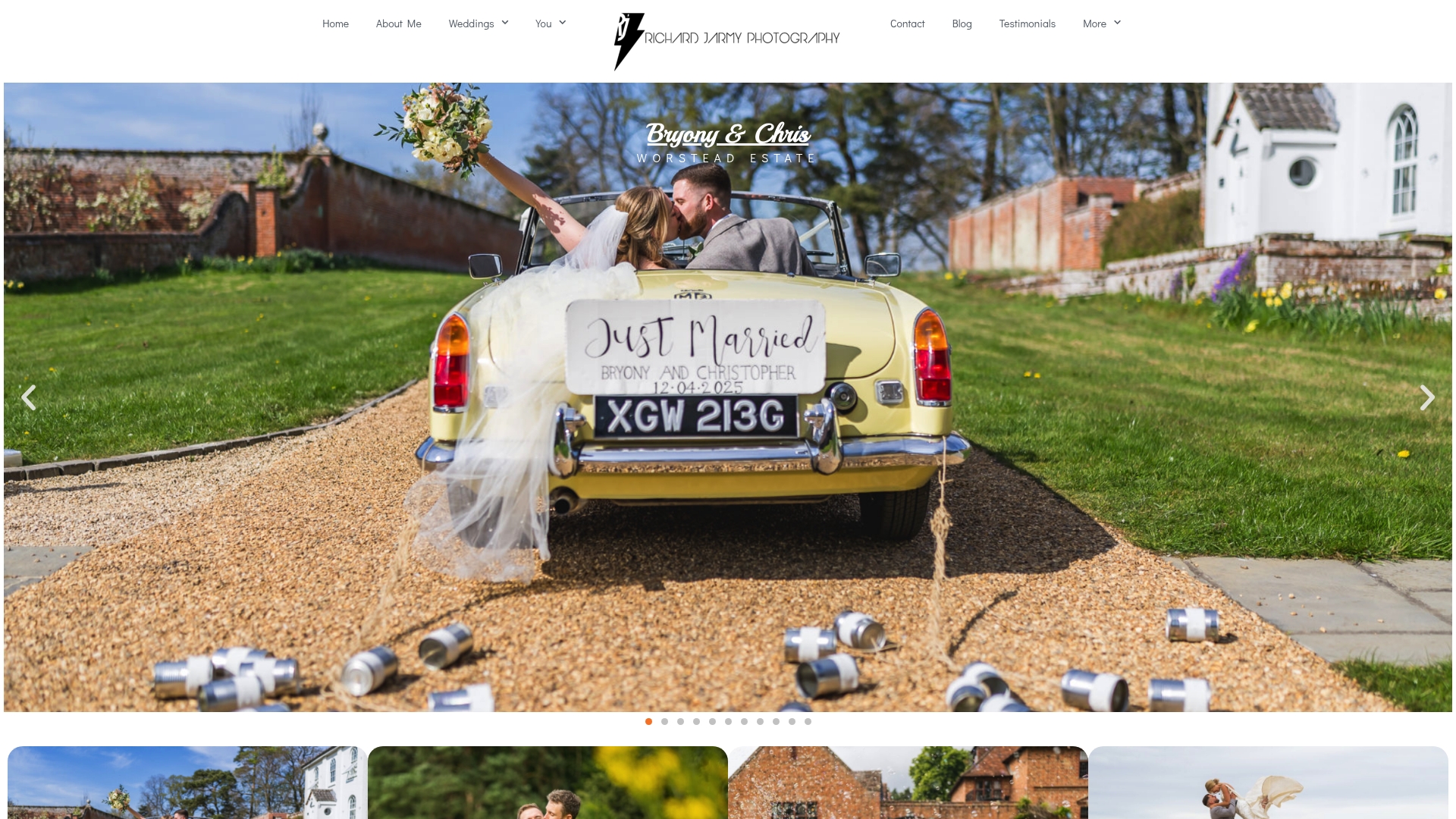
Richard Jarmy Photography brings a warm, candid approach to every wedding, capturing genuine laughter, quiet glances, and the moments you did not even know were happening. Every gallery is fully post-processed with care, from the first look to the last dance. You can browse the wedding photography services to see how consistent editing and joyful storytelling come together across full wedding collections. If you are also planning an engagement shoot, the pre-wedding shoot is a brilliant way to see the editing style in action before your big day. Your memories deserve that level of attention.
FAQ
What is wedding photo editing?
Wedding photo editing, also called post-processing, is the process of culling, correcting, colour grading, and retouching raw images after a wedding. It transforms thousands of raw files into a curated, consistent gallery ready for print and digital use.
How long does wedding photo editing take?
A professional photographer spends 20–36 hours editing a single wedding. Full gallery delivery typically takes 4–8 weeks, though peak season weddings can take up to 16 weeks.
What is the difference between a sneak peek and a full gallery?
A sneak peek is a small set of 10–30 lightly edited images delivered within one or two days of the wedding for social sharing. The full gallery is a complete, carefully edited set delivered weeks later.
Should I ask my photographer about their editing style?
Yes. Share reference images before you book so your photographer understands your preferred tone, whether that is bright and airy, warm and film-like, or clean and natural. The wedding photography checklist covers this conversation in detail.
Do heavy filters make wedding photos look better?
Heavy filters tend to age poorly. The current industry standard favours authentic editing that preserves natural skin tones and real colours, producing heirloom-quality images that look as good in twenty years as they do today.