
Fun photography style is defined as an approach that prioritises capturing spontaneous, joyful, and playful moments over posed or formal images. Unlike traditional portrait photography, it leans into laughter, movement, and genuine emotion. Modern cameras make this easier than ever. High-quality image capture now takes just fractions of a second, meaning photographers can freeze a child mid-leap or catch a couple laughing without asking anyone to hold still. Richard Jarmy has built an entire practice around this idea, believing that the best photographs feel alive rather than arranged.
What is fun photography style explained in simple terms?
Fun photography style is the industry’s informal name for a broader approach professionals call expressive lifestyle photography. It sits at the intersection of candid documentary shooting and deliberate creative composition. The goal is not to eliminate planning but to make the result feel unplanned.
The style draws on three core values. First, authenticity: real smiles beat rehearsed ones every time. Second, energy: the image should feel like something is happening, not just being recorded. Third, joy: the photograph should make the viewer feel something warm when they look at it.
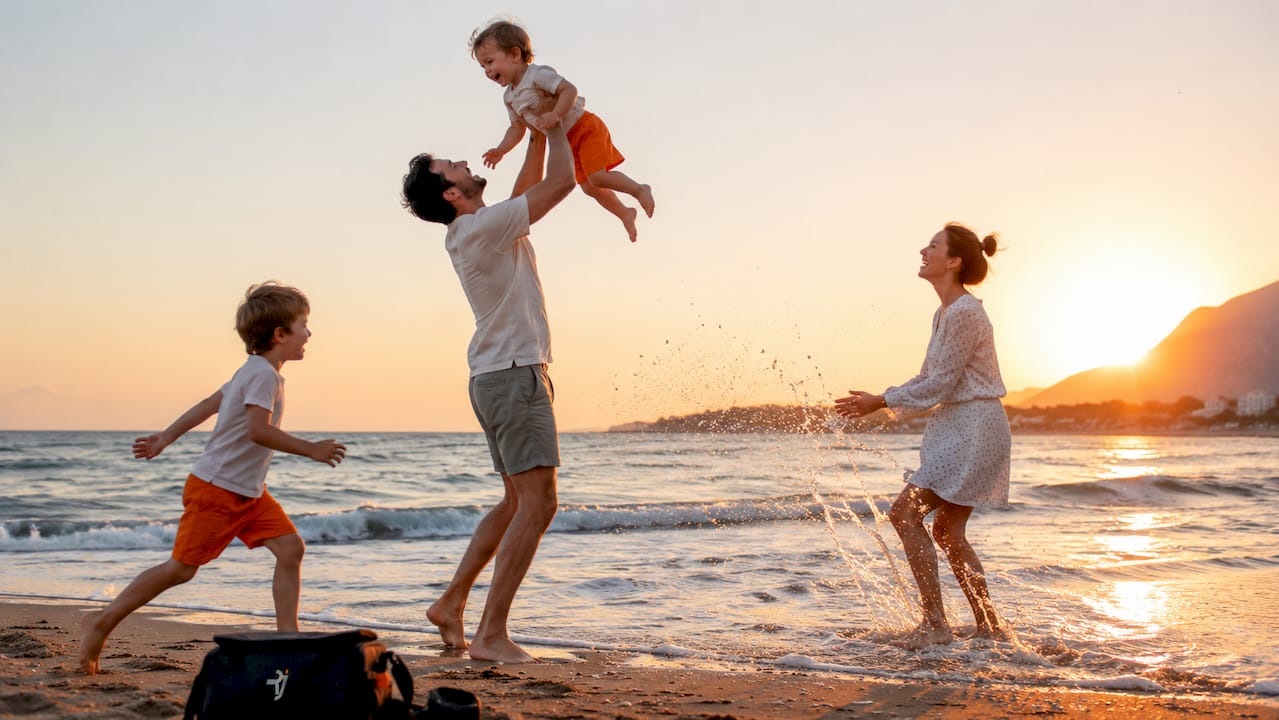
This matters for families and individuals because formal portraits often fail to capture the people you actually love. A stiff group shot on a staircase tells you what everyone looked like. A fun photograph tells you how everyone felt.
What technical skills support a fun photography style?
Exposure, focus, and composition are the three core skills every photographer needs, regardless of style. Without them, even the most joyful moment becomes a blurry, dark, or badly framed image. Mastering these skills gives you the freedom to focus on the people in front of you rather than the camera in your hands.
Composition is where fun photography truly comes alive. These techniques make the biggest difference:
- Rule of thirds: Place your subject off-centre to create a sense of movement and energy.
- Leading lines: Use paths, fences, or rows of people to draw the eye naturally through the frame.
- Colour and pattern: Pattern photography sharpens your eye for symmetry and harmony, producing images that feel visually satisfying rather than chaotic.
- Spacing and framing: Leave room around your subject so the image breathes. Tight crops can feel tense rather than playful.
- Symmetry: Particularly effective for group shots where you want balance without rigidity.
Colour deserves special attention in playful photography. Bright, warm tones read as happy. Soft pastels feel whimsical. Choosing a location with natural colour interest, a painted wall, a field of wildflowers, or a string of fairy lights, gives your composition a head start.
Pro Tip: Set your camera to continuous shooting mode before any active moment. You will capture ten frames where one would have been. The best expression almost never lands on the first shot.
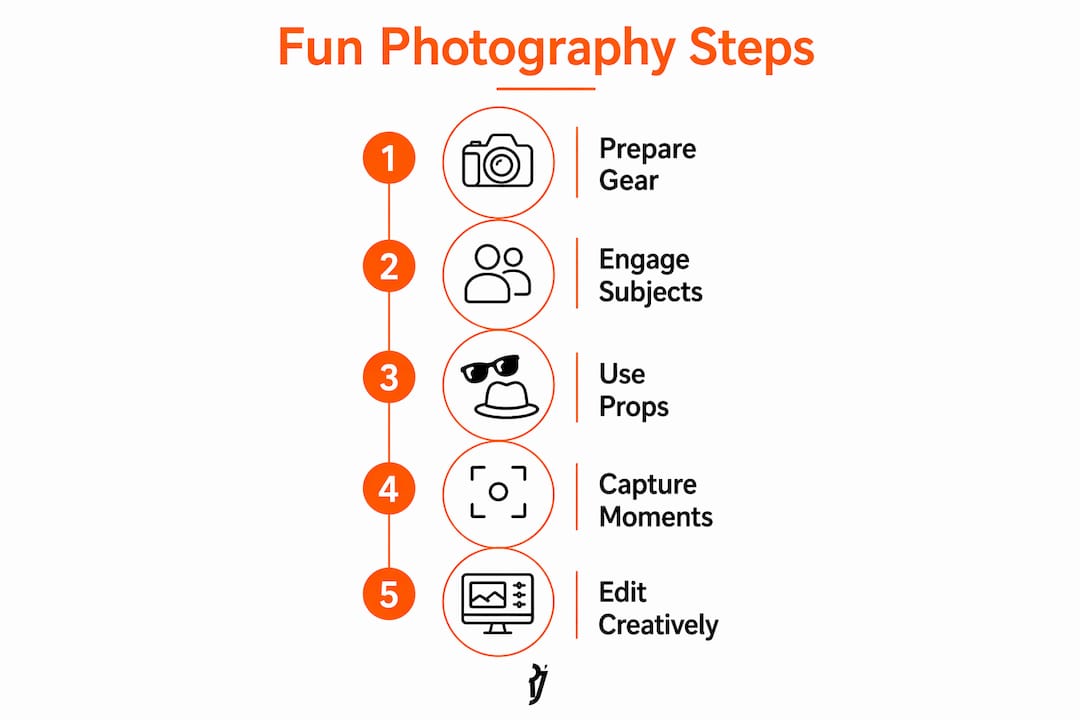
Which playful photography techniques define a fun style?
Creative effects are what separate a fun photograph from a merely pleasant one. The most popular techniques each require a specific approach.
Bokeh, light trails, and long exposure
Bokeh is the soft, blurred background effect created by shooting with a wide aperture. It isolates your subject and gives images a dreamy, warm quality. Light trails and long exposure require a tripod and a slower shutter speed, turning moving lights into sweeping arcs of colour. These effects require pre-planning and a steady setup rather than purely spontaneous shooting. Beginners often underestimate the preparation involved, which is why practising at home before an event pays off.
Reflections, lens flares, and light painting
Reflections in puddles, mirrors, or glass surfaces add a magical quality to otherwise ordinary scenes. Lens flares, once considered a flaw, now read as warm and nostalgic when used deliberately. Light painting involves moving a light source during a long exposure to draw shapes or words in the air. Children absolutely love it.
Props and spontaneous elements
Props give people something to do with their hands and their attention. Balloons, confetti, sparklers, and bubbles all create natural movement and genuine reactions. The key is introducing them without over-directing. Hand someone a bunch of balloons and step back. The photograph will happen on its own.
Pro Tip: Prepare your creative effects in advance, but introduce them to your subjects without warning. The genuine surprise reaction is always better than the posed version.
Here is a quick comparison of planned versus spontaneous approaches:
| Approach | Best for | Key advantage |
|---|---|---|
| Pre-planned effects | Bokeh, light trails, long exposure | Consistent, polished results |
| Spontaneous capture | Laughter, reactions, movement | Authentic, unrepeatable moments |
| Blended approach | Events, family sessions | Balances quality with genuine emotion |
How does lifestyle photography relate to fun photography?
Lifestyle photography sits between staged studio portraits and raw documentary shots, capturing people in everyday situations with professional lighting and composition. That definition makes it the natural home for fun photography. The two styles share the same goal: make the image feel real while ensuring it looks beautiful.
The table below shows how the two approaches overlap and differ:
| Feature | Lifestyle photography | Fun photography style |
|---|---|---|
| Posing | Guided but relaxed | Minimal, often none |
| Setting | Everyday environments | Any location with energy |
| Lighting | Professional, natural | Natural, playful, creative |
| Mood | Warm, authentic | Joyful, spontaneous |
| Planning | Moderate | Low to moderate |
The practical implication is that fun photography is lifestyle photography with the dial turned up on joy. A lifestyle photographer documents a family making breakfast. A fun photographer captures the moment someone flicks flour at someone else and everyone laughs. Both images are real. One just has more energy.
Richard Jarmy uses this blended approach at engagement shoots and family sessions, building rapport with clients beforehand so that by the time the camera comes out, everyone is relaxed enough for the real moments to happen naturally.
How can families apply fun photography at events and daily life?
Applying a playful photography approach does not require professional equipment. It requires attention, patience, and a willingness to let go of perfection.
- Choose your moments, not your poses. Watch for the in-between seconds: the moment just before a candle is blown out, the hug that lasts a beat longer than expected, the child who has forgotten the camera exists.
- Use simple props. Bubbles, hats, and seasonal items like autumn leaves or Christmas crackers give people something to interact with. Interaction creates expression.
- Adjust your settings quickly. For outdoor events, set your camera to aperture priority mode and let it handle exposure. This frees you to focus on timing rather than dials.
- Create a relaxed atmosphere. Play music. Tell a joke. Arrive early so nobody feels rushed. Mindful photography involves slowing down and deliberately noticing joyful details rather than chasing the perfect technical shot.
- Avoid common mistakes. Do not over-direct. Do not wait for everyone to look at the camera. Do not shoot only during the “main event.” The best images at a birthday party are rarely the moment the cake arrives. They are the moment someone smiles at someone else across the room.
A practical tip for family events: position yourself slightly to the side of the action rather than directly in front of it. This gives you a more natural angle and means people are less likely to notice you and change their behaviour.
Photography can also act as a mindful tool for wellbeing, building personal resilience by shifting your focus to small, positive moments. That shift changes not just your photographs but how you experience the event itself.
Key takeaways
Fun photography style produces its best results when technical preparation and genuine spontaneity work together rather than against each other.
| Point | Details |
|---|---|
| Define your intent | Fun photography prioritises authentic joy over posed perfection in every shot. |
| Master the fundamentals | Exposure, focus, and composition give you freedom to focus on people, not settings. |
| Plan creative effects | Bokeh, light trails, and long exposure need preparation before the moment arrives. |
| Blend lifestyle and fun | Lifestyle photography provides the framework; fun photography adds energy and spontaneity. |
| Shift your mindset | Treating photography as a mindful practice improves both your images and your experience. |
Why the best fun photographs start before you press the shutter
I have been photographing families, couples, and events for years, and the single biggest lesson I have learnt is this: the photograph is made in the relationship, not the camera.
When people are comfortable with me, they forget I am there. When they forget I am there, they are themselves. And when they are themselves, the images are genuinely joyful rather than politely joyful. That is a meaningful difference.
The technical side matters, of course. I still think carefully about light, composition, and timing. But I have seen technically perfect images that feel completely empty, and I have seen slightly imperfect images that make people cry with happiness when they see them. The emotion wins every time.
My advice to anyone wanting to take more fun photographs is to stop trying to take photographs and start trying to be present. Put the camera down occasionally. Laugh at the same things your subjects are laughing at. Then pick it up again. The images you capture after a genuine shared moment are always the ones people frame and keep.
Photography as a mindful practice, deliberately noticing and capturing small happy moments, genuinely shifts how you see the world. I believe that. It is why I do this work.
— Richard Jarmy
Richard Jarmy Photography: capturing your joyful moments
If you want photographs that feel alive rather than arranged, Richard Jarmy Photography specialises in exactly that. Every session begins with building genuine rapport, so that by the time the camera comes out, you are relaxed, comfortable, and simply being yourself.
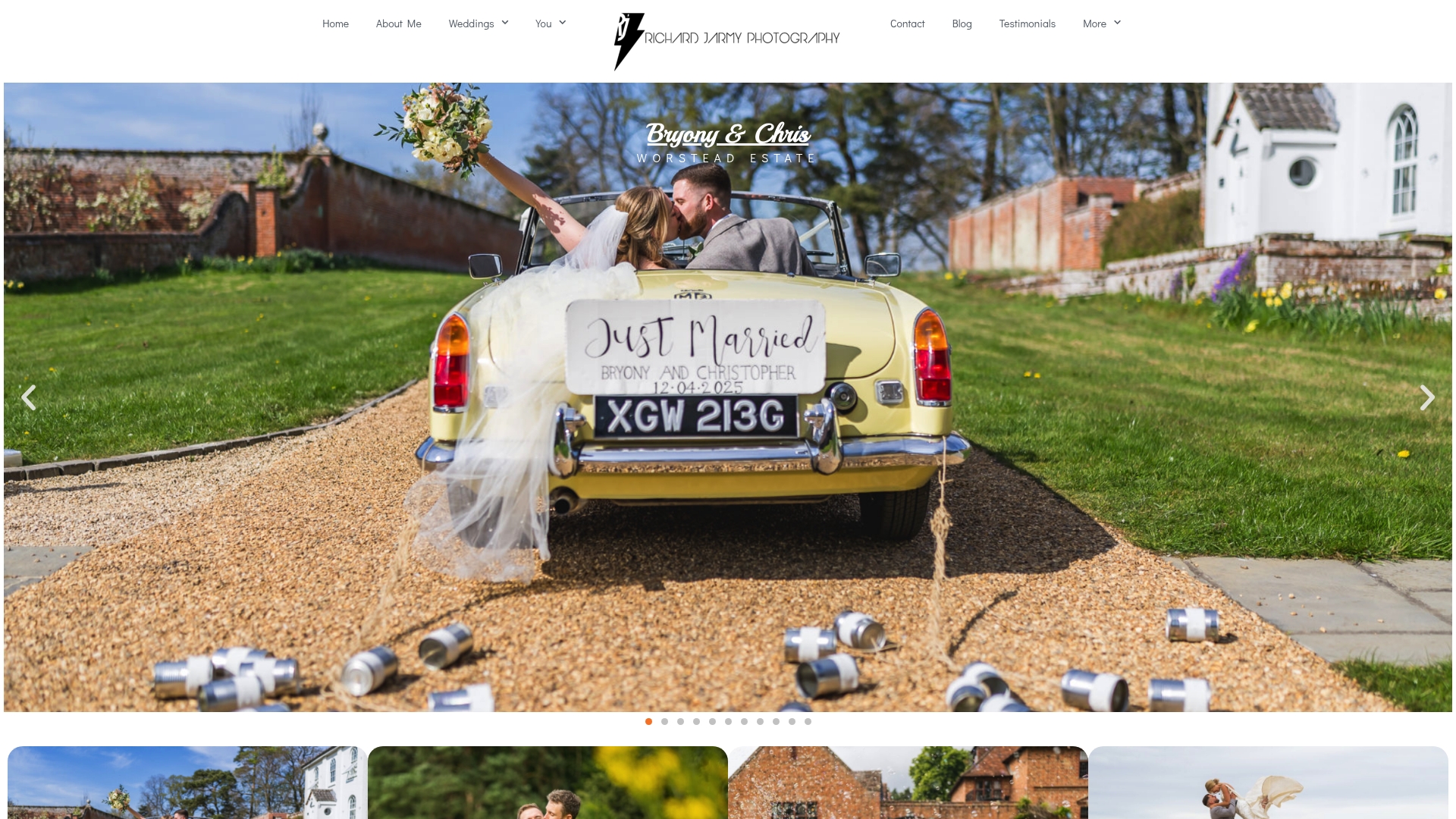
Whether you are planning a wedding and want images full of real laughter and spontaneous moments, or you are looking for a personal photography session that captures your family as they truly are, Richard brings warmth, skill, and a genuine love of happy moments to every shoot. Get in touch to talk about your event and how to make it one worth remembering.
FAQ
What is a fun photography style?
Fun photography style is an approach that prioritises capturing spontaneous, joyful, and playful moments using creative composition and expressive techniques. It sits between candid documentary photography and lifestyle portraiture.
What are the best playful photography techniques for beginners?
Bokeh, rule of thirds composition, and the use of props like bubbles or balloons are the most accessible techniques for beginners. These methods produce engaging results without requiring advanced equipment.
How does fun photography differ from lifestyle photography?
Lifestyle photography balances staged and documentary approaches to capture everyday moments professionally. Fun photography takes the same framework and adds deliberate energy, spontaneity, and playfulness to the result.
Can I take fun photos without a professional camera?
Yes. The core skills of composition, timing, and creating a relaxed atmosphere apply to any camera, including a smartphone. Technical preparation and genuine connection with your subjects matter more than equipment.
How does photography support wellbeing and happiness?
Photography builds personal resilience by training you to notice and document small positive moments deliberately. This mindful approach improves both the quality of your images and your overall mood during the experience.