
Wedding photography package types define the scope of how your wedding day gets captured, grouped primarily by coverage hours, included services, and optional extras. The industry term for these grouped offerings is a “photography package,” and they typically follow a three-tier structure: intimate, standard, and luxury. Understanding the difference between each tier before you book saves you from nasty surprises on the day and helps you spend your budget where it matters most. Richard Jarmy builds every package around authentic storytelling, so knowing what each type offers puts you in the best position to choose confidently.
1. What are the main wedding photography package types?
Coverage hours anchor every package, and the three main tiers reflect how much of your day you want documented. Each tier comes with a different price point, photo count, and level of service.
The three core types break down like this:
- Intimate or elopement packages: 2–4 hours of coverage, suited to small ceremonies, registry offices, or micro-weddings. Prices typically range from £800 to £3,000 depending on location and photographer experience.
- Standard or mid-range packages: 6–10 hours of coverage, covering the full ceremony and key reception moments. Prices sit between £2,500 and £6,500 in most markets.
- Luxury or full-story packages: 10 or more hours, often including a second photographer, premium album, and extended editing. These start at £8,000 and can exceed £20,000 for destination or high-end weddings.
Standard packages typically deliver 50–80 edited photos per hour of coverage. An 8-hour wedding can yield 400–650 finished images. That volume matters when you are planning wall prints, albums, or gifts for family.
The average UK full-day wedding photography cost is £1,112, with half-day coverage averaging £642. Those figures reflect the mid-market, not the premium end, so set your expectations accordingly.
2. What is typically included in a wedding photography package?
A standard package should include coverage hours, full culling and editing, a private online gallery, and a personal-use print release. These four elements form the baseline. Anything beyond them is either a bonus or an add-on you pay for separately.
Standard inclusions across most packages:
- Full editing of selected images (colour correction, exposure, skin tones)
- Private online gallery for downloading and sharing
- Personal-use print release, allowing you to print images for home use
- Turnaround time of 6–8 weeks, with sneak peeks often delivered within a few days
Print releases grant personal use but do not transfer copyright or commercial rights to you. The photographer retains ownership of the images. This is standard practice across the industry, so do not expect to receive the raw files or full copyright unless you negotiate that separately, and expect to pay a significant premium if you do.
Pro Tip: Ask your photographer to confirm in writing exactly what the online gallery includes: download limits, expiry dates, and whether prints can be ordered directly through the gallery platform.
3. Common add-ons and optional extras
Add-ons are where packages get personal, and where budgets can creep if you are not paying attention. Engagement sessions typically cost £200–£500 as an add-on, second shooters run £300–£600, and professional albums range from £400 to £1,200.
The most popular add-ons couples choose include:
- Engagement or pre-wedding shoot: A relaxed session before the wedding to build rapport with your photographer and get comfortable in front of the camera. Richard Jarmy offers pre-wedding engagement shoots that genuinely help couples feel at ease on the day.
- Second shooter: A second photographer covering a different angle or location simultaneously, particularly useful for large weddings or complex schedules.
- Printed album: A professionally designed, bound album delivered weeks after the wedding. This is the most lasting physical product from your day.
- Extended hours: Additional coverage beyond the package limit, usually charged at an hourly rate.
- Drone footage or video highlights: Available from some photographers as a combined media package.
Second shooters add real value for large weddings or ceremonies with multiple simultaneous moments, such as the groom’s reaction while the bride walks in. For smaller, intimate weddings with a skilled lead photographer, a second shooter is often unnecessary.
4. How to evaluate package value and avoid hidden costs
Price alone does not tell you what a package is worth. Comparing packages purely on price misses critical value elements like second shooter inclusion or engagement sessions, which can significantly improve coverage quality.
Pro Tip: Build a simple checklist before comparing quotes: hours covered, number of edited images, album included, second shooter, engagement shoot, and overtime rate. Score each package against the same list.
The most common budget trap is overtime. Photographers set hourly overtime fees in their contracts to cover unexpected extensions to the day. If your reception runs two hours over schedule and your package has ended, those extra hours cost real money. Ask every photographer what their overtime rate is before you sign.
The “not-included” list deserves as much attention as the inclusions. Raw files, drone coverage, and unlimited revisions are commonly excluded from standard packages. Knowing this upfront prevents disappointment and protects both you and the photographer.
Watch out for these specific pitfalls:
- Packages that quote a high image count but include minimal editing
- No mention of turnaround time in the contract
- Vague language around “full day” without specifying start and end times
- Album design fees charged separately from the album print cost
You can find a full breakdown of what to watch for in this wedding photography mistakes guide.
5. Storytelling-based package names and why they work better
Many photographers now name their packages by the narrative they cover rather than using generic metal tiers like Bronze, Silver, and Gold. Storytelling-based package names improve client clarity and satisfaction by helping couples choose based on the emotional flow of their day rather than abstract labels.
Common storytelling tier names and what they typically cover:
- “The Vows”: Ceremony only, 2–3 hours, capturing the legal and emotional centrepiece of the day.
- “The Celebration”: Ceremony plus reception highlights, 5–7 hours, including speeches and first dance.
- “The Whole Day”: Full coverage from bridal preparations through to the evening reception, 10+ hours.
- “The Story”: Everything above plus a pre-wedding shoot, second photographer, and premium album.
This naming approach aligns your choice with your priorities rather than your budget tier. If the ceremony is the heart of your day, “The Vows” is a clear, honest fit. If you want every laugh, tear, and dance move preserved, “The Whole Day” tells you exactly what you are buying. For more on how documentary wedding photography fits into this storytelling approach, it is worth reading up on the style before you commit.
6. How to choose the right package for your wedding
The right package matches your wedding’s size, timeline, and what matters most to you personally. A 30-guest garden ceremony needs a very different package from a 200-guest hotel wedding with multiple locations.
Use these practical factors to guide your choice:
- Guest count and venue size: Larger weddings with more guests and bigger spaces benefit from longer coverage and often a second shooter.
- Number of locations: If you are getting ready at one venue, marrying at another, and celebrating at a third, factor in travel time when calculating coverage hours.
- Timeline complexity: A wedding photography timeline with tight transitions between moments needs more coverage buffer than a relaxed single-venue day.
- Photography style: Candid, documentary-style photography requires less posed time but benefits from longer coverage to catch natural moments as they unfold.
- Potential overtime: Always add a 30-minute buffer to your estimated coverage need. Weddings run late more often than they run early.
For destination weddings, packages expand significantly. Travel, accommodation, and extended shooting days push costs higher, but the coverage depth is unmatched. If you are planning abroad, look for photographers who offer bespoke destination packages rather than trying to stretch a standard package to fit.
Pro Tip: Read your wedding photography contract carefully before signing. Confirm the start time, end time, overtime rate, and delivery timeline are all written clearly. A well-written contract protects everyone.
You can also use a wedding photography checklist to map your day’s moments against the coverage hours you are considering.
Key takeaways
The most effective approach to choosing wedding photography package types is to match coverage hours to your wedding timeline, then assess inclusions and add-ons against your priorities before comparing prices.
| Point | Details |
|---|---|
| Three core tiers exist | Intimate (2–4 hrs), standard (6–10 hrs), and luxury (10+ hrs) cover most wedding sizes. |
| Standard inclusions matter | Every package should include editing, an online gallery, and a personal-use print release. |
| Add-ons affect total cost | Engagement shoots, second shooters, and albums are common extras that change the final price. |
| Overtime is a real risk | Ask for the hourly overtime rate upfront and build a buffer into your planned coverage hours. |
| Storytelling names clarify choice | Packages named by narrative coverage help couples choose based on their day’s emotional priorities. |
Why I think couples focus on the wrong thing when choosing a package
Most couples I speak to come to me with a budget and a rough idea of hours. That is a reasonable starting point, but it is not where the real decision lives. The question that actually matters is: what moments from your wedding day will you wish you had captured in ten years’ time?
I have seen couples choose a shorter package to save money, then feel the pinch when the speeches ran long and the photographer had already left. I have also seen couples pay for a luxury package they did not need because the word “luxury” felt reassuring. Neither approach serves you well.
The photographers who will give you the most authentic results are the ones who ask about your day before they talk about their packages. Rapport matters enormously. When you feel comfortable with your photographer, you stop performing for the camera and start being yourselves. That is when the real magic happens, and that is what makes the memories genuinely worth keeping. I always recommend choosing an authentic wedding photographer based on connection and style first, then finding a package that fits your day.
— Richard Jarmy
Richard Jarmy Photography: packages built around your story
Richard Jarmy Photography offers flexible, story-driven wedding packages designed around the moments that matter most to you.
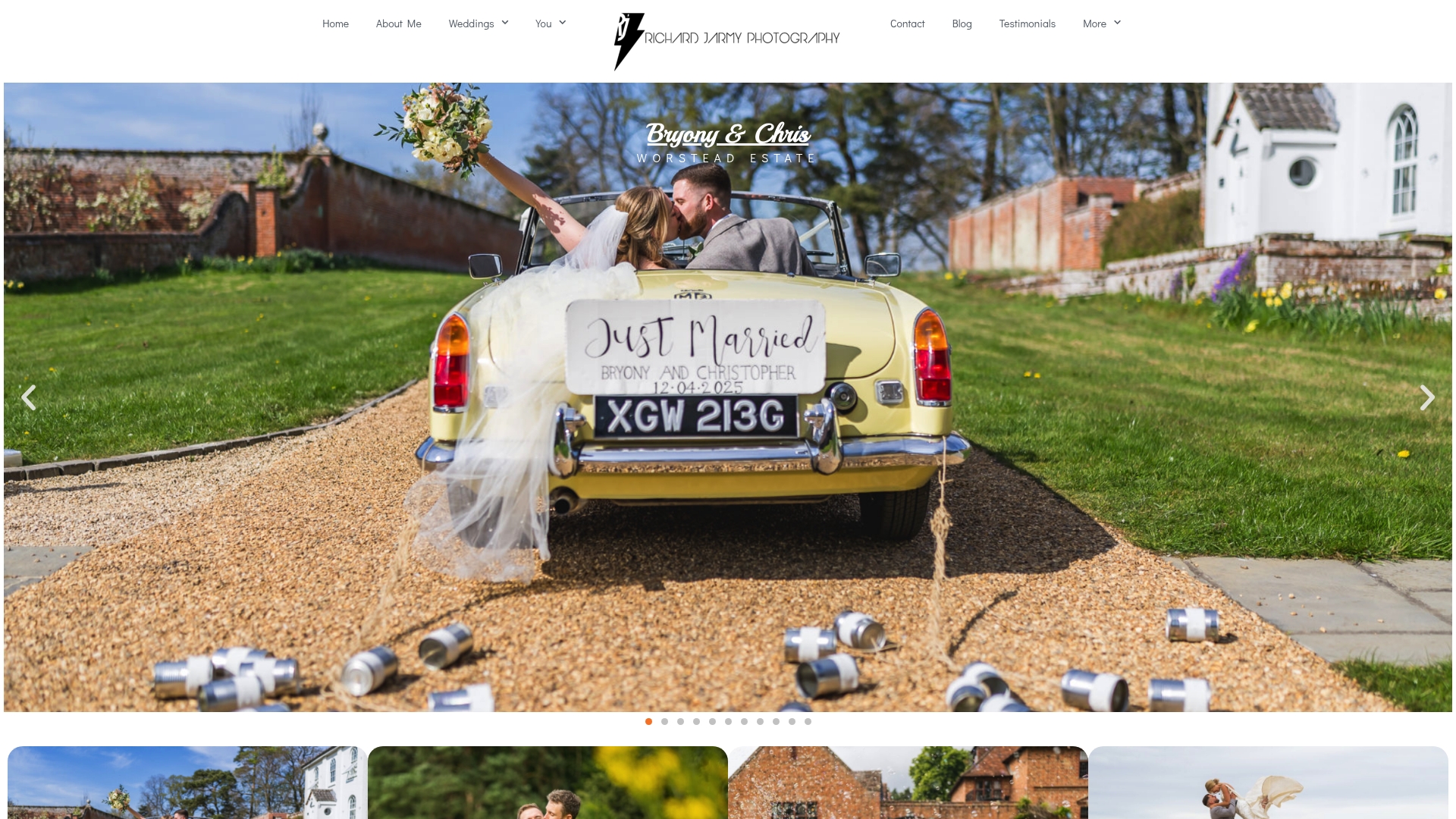
Whether you are planning an intimate ceremony or a full-day celebration, Richard builds coverage around your timeline and your personalities, not a rigid template. Every package includes a private online gallery, fully edited images, and a personal print release. Albums and pre-wedding shoots are available as add-ons. Explore the full range of wedding photography services or visit the personalised services page to find out how Richard tailors each package to suit you. You can also browse the wedding gallery to see the style in action before getting in touch.
FAQ
What is a wedding photography package?
A wedding photography package is a grouped bundle of services built around coverage hours, edited image delivery, and an online gallery. Most packages also include a personal-use print release as standard.
How many photos will I receive from my wedding?
Standard packages typically deliver 50–80 edited images per hour of coverage. An 8-hour wedding usually produces 400–650 finished photographs.
Do I own the copyright to my wedding photos?
No. Print releases grant personal use rights, but copyright stays with the photographer. You can print and share images for personal use but cannot use them commercially without a separate agreement.
When should I add a second shooter to my package?
A second shooter is most valuable for large weddings, complex schedules, or venues with multiple simultaneous moments. For smaller, intimate weddings with a skilled lead photographer, a second shooter is often not necessary.
What hidden costs should I watch for in wedding photography packages?
Overtime fees are the most common surprise. Ask for the hourly overtime rate before signing. Also check whether raw files, drone coverage, and album design fees are excluded from the quoted price.