
A pre-event photography consultation is a dedicated meeting between client and photographer to plan key details, align on goals, and confirm logistics before a single shot is taken. In the photography industry, this meeting is often called a pre-session consultation or client briefing. It is the single most effective step couples and event planners can take to protect their photography investment and make sure the images they receive genuinely reflect the day they experienced.
What happens during a pre-event photography consultation?
The photography consultation process covers far more than a quick chat about style preferences. It is a structured conversation that builds the entire framework for your event coverage.
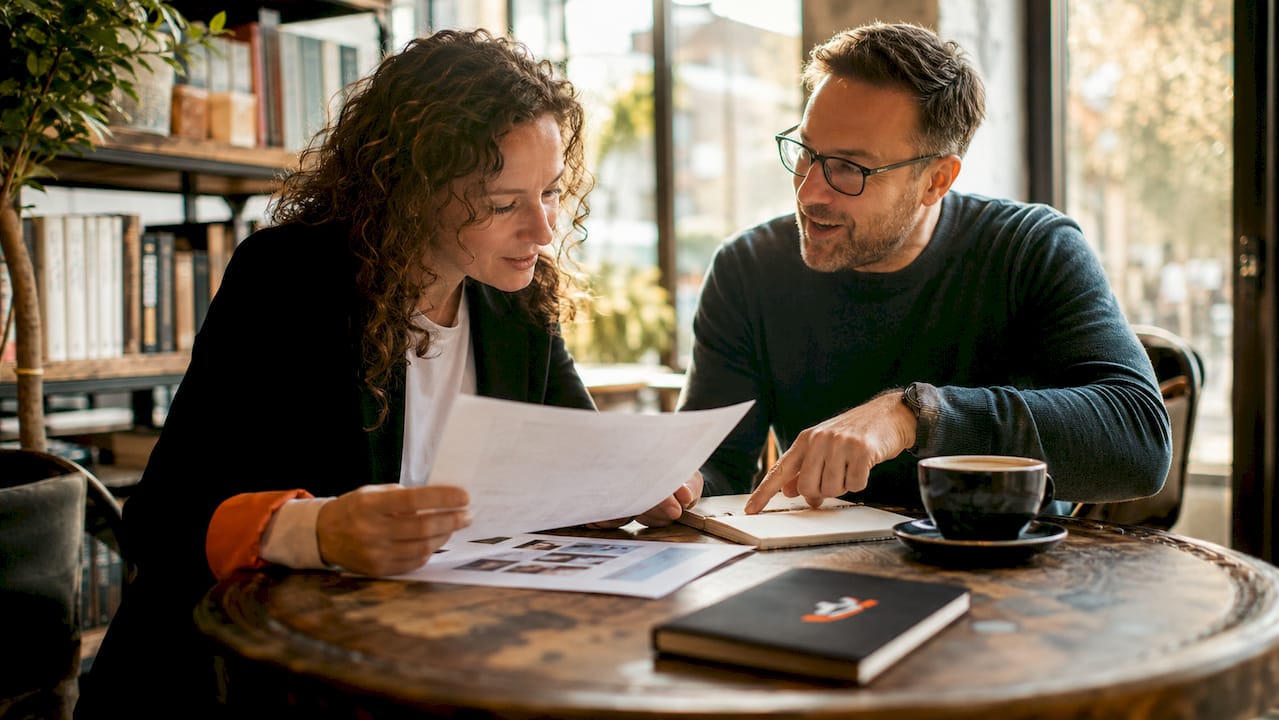
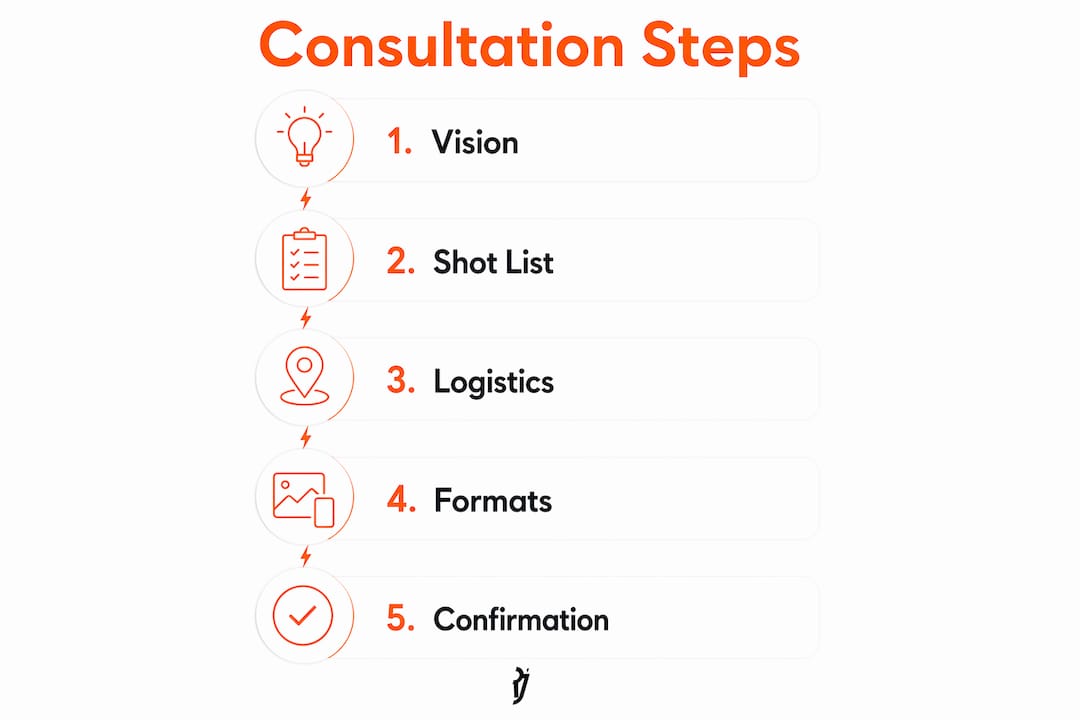
The discussion typically begins with your vision. Your photographer will ask how you want the photos to look and feel, what you plan to do with the images, and which moments matter most to you. From there, the conversation moves into logistics. Clients are asked to provide the event date, venue access details, call times, restricted areas, and photo delivery expectations. These are not optional extras. They are the building blocks of a workable shot plan.
A chronological shot list is then built directly from your event itinerary. This approach means the photographer knows exactly where to be and when, rather than improvising on the day. Shot lists are built from the event run sheet to guarantee coverage of the moments that cannot be missed, such as the ceremony, the first dance, or the keynote speech.
The format of the consultation varies. Many photographers offer an in-person meeting, a phone call, or a video call. Most last between 15 and 30 minutes for an initial conversation, with a follow-up call closer to the event.
A written brief should always follow the verbal discussion. TIME&SPACE advises sending a written brief at least 72 hours before the event, with a follow-up call at least 48 hours prior. This two-layer approach, a written document followed by a short live call, is industry best practice for keeping everyone aligned.
Key topics covered in a typical consultation:
- Your photography style preferences and mood references
- A prioritised shot list built from your event schedule
- Venue access, restricted areas, and lighting conditions
- Point of contact on the day and supplier communication plan
- Photo delivery format, quantity, and expected turnaround
Pro Tip: Bring a printed or digital copy of your event schedule to the consultation. Your photographer can build the shot list in real time, which saves a follow-up email and keeps everything accurate.
Why is a pre-event photography consultation important?
A pre-event consultation is the difference between a photographer who arrives prepared and one who is guessing. Pre-session consultations reduce uncertainty by clarifying how clients want photos to look and be used, which leads to more satisfying results for everyone involved.
The consultation also functions as risk management. A brief in writing prevents day-of misunderstandings that simply cannot be corrected once the event is underway. If the photographer does not know that the awards ceremony starts 20 minutes early, that moment is gone. No amount of editing fixes a missed shot.
For couples, the consultation builds genuine trust. You get to understand how your photographer thinks, how they handle tricky lighting, and how they manage group shots. That trust translates directly into relaxed, natural expressions in your photos. Stiff, awkward images almost always come from couples who did not feel comfortable with their photographer before the day.
For event planners, the benefits are operational. A thorough consultation confirms the communication plan, identifies the point of contact on the day, and defines venue access restrictions so the photographer knows exactly what coverage is achievable. That clarity protects both the planner and the client.
Core benefits of a pre-event consultation:
- Reduces the risk of missed key moments
- Aligns photographer style with client expectations
- Confirms logistics so there are no surprises on the day
- Builds rapport and comfort between client and photographer
- Creates a written record that protects all parties
How to prepare for your pre-event photography consultation
Preparation on your side makes the consultation far more productive. The more detail you bring, the more specific and useful the shot plan becomes.
Follow these steps to get the most from your meeting:
- Gather your event details. Bring the date, venue name and address, full schedule with timings, and a guest list if group shots are required. The more specific you are, the better.
- Identify your non-negotiable shots. Clients prioritise certain shots above all others. Write these down before the consultation so they are locked in first. Think about the ceremony, the first dance, the cake cutting, or the keynote moment.
- Collect visual references. Save images from Pinterest, Instagram, or wedding blogs that reflect the mood and style you love. Visual references communicate far more quickly than words.
- Prepare your questions. Ask about the photographer’s editing style, how many images you will receive, the delivery timeline, and what happens if they are unwell on the day.
- Confirm the practical details. Ask about parking at the venue, whether a second shooter is included, and whether the photographer has visited the venue before.
Professional Photographers of America recommends scheduling the consultation approximately two weeks before the event. That timing gives you enough space to prepare without leaving decisions too late.
Pro Tip: After the consultation, ask your photographer to send a written summary of everything discussed. This becomes your shared reference point and prevents any confusion closer to the day.
For couples planning a wedding, a wedding photography checklist can help you arrive at the consultation with every detail already organised.
Common pitfalls in pre-event photography consultations
Several avoidable mistakes consistently undermine event photography outcomes. Knowing them in advance means you can sidestep them entirely.
- Skipping the written brief. A verbal conversation is not enough. Without a written record, details shift in memory and misunderstandings become almost inevitable. Always request a written summary after your consultation.
- Sending the brief too late. A written brief sent fewer than 48 hours before the event leaves no time for the photographer to prepare properly. Aim for 72 hours minimum.
- Failing to confirm the day-of contact. Your photographer needs to know who to report to when they arrive. If that person is not confirmed in advance, the first 20 minutes of your event can be lost to confusion.
- Leaving delivery expectations vague. Agree on the number of edited images, the file format, and the delivery timeline during the consultation. Vague expectations lead to disappointment.
- Underestimating venue restrictions. Some venues prohibit flash photography during ceremonies, restrict access to certain areas, or require photographers to stay behind a line. Venue constraints determine achievable coverage, so confirm these in advance.
- Rushing the consultation. A 10-minute call is not a consultation. Give the process the time it deserves. A thorough briefing pays back many times over in the quality of your images.
For a broader look at what goes wrong when preparation is skipped, the guide on common wedding photography mistakes is worth reading before your event.
Key takeaways
A pre-event photography consultation is the single most effective step you can take to protect your photography results and make sure your photographer arrives fully prepared.
| Point | Details |
|---|---|
| Define it early | A consultation is a structured meeting to align goals, logistics, and shot priorities before the event. |
| Use a written brief | Send a written summary at least 72 hours before the event to prevent day-of misunderstandings. |
| Lock in non-negotiables first | Identify your must-have shots at the start of the consultation so they are never at risk. |
| Schedule two weeks out | Book the consultation approximately two weeks before the event for the best preparation window. |
| Confirm venue restrictions | Clarify access limits and any photography restrictions so coverage expectations are realistic. |
Why I believe the consultation is the most underrated part of event photography
Most couples and event planners focus their energy on finding the right photographer. That matters, of course. But the consultation is where the real work happens, and I have seen it make an enormous difference to the final results.
I have photographed events where a thorough briefing meant I already knew the venue layout, the lighting challenges in the ceremony room, and the exact order of the speeches. Those events felt calm and joyful because nothing caught me off guard. I could focus entirely on capturing the smiles, the tears, and the spontaneous moments that make a set of images truly special.
I have also seen what happens when the consultation is skipped or rushed. The photographer arrives uncertain, the client feels anxious, and that tension shows up in the photos. Stiff smiles. Missed moments. A set of images that technically documents the day but does not capture the feeling of it.
The consultation is not a formality. It is where I get to understand what makes your event unique, what matters most to you, and how I can make sure you look back at your photos and feel genuinely happy. Building that connection before the day is what allows me to capture the real you, not just the posed version.
If you are planning a wedding or event and wondering whether a consultation is worth the time, the answer is always yes. It is one of the most joyful parts of the process for me, and I think you will feel the same.
— Richard
How Richardjarmy supports you through every consultation
Richardjarmy builds every client relationship around a thorough, personal consultation before the event. Whether you are planning a wedding, a commercial event, or a family celebration, the process starts with a conversation about what matters most to you.
From wedding photography services to commercial event coverage, Richardjarmy tailors every shoot around the details you share in that first meeting. The goal is always the same: photographs that make you smile every time you look at them. If you are ready to start planning, get in touch and let’s have that conversation. You can also explore the pre-wedding engagement shoot as a brilliant way to build comfort and rapport before your big day.
FAQ
What is a pre-event photography consultation?
A pre-event photography consultation is a dedicated planning meeting between a client and their photographer to align on goals, confirm logistics, and build a shot list before the event takes place.
How long does a photography consultation typically last?
Most initial consultations last between 15 and 30 minutes, followed by a written brief and a shorter follow-up call closer to the event date.
When should I schedule my photography consultation?
Schedule your consultation approximately two weeks before the event. This gives you enough time to prepare your details without leaving decisions too close to the day.
What questions should I ask my photographer during the consultation?
Ask about their editing style, the number of images you will receive, the delivery timeline, whether a second shooter is included, and how they handle venue restrictions or unexpected changes on the day.
Do I need a written brief after the consultation?
Yes. A written brief prevents misunderstandings that cannot be corrected once the event is underway. Ask your photographer to send a written summary within 24 hours of your meeting.