
A photography contract for events is a legally binding document that sets out the responsibilities, deliverables, and terms agreed upon by the photographer and the event organiser. Without one, both parties are exposed to misunderstandings over payments, image rights, and delivery timelines. Platforms like Rocket Lawyer and HoneyBook offer ready-made templates, while resources from Tov Studio provide detailed clause-by-clause guidance. Getting this document right before your event is one of the most practical steps you can take to protect your memories and your budget.
What is a photography contract for events and what must it include?
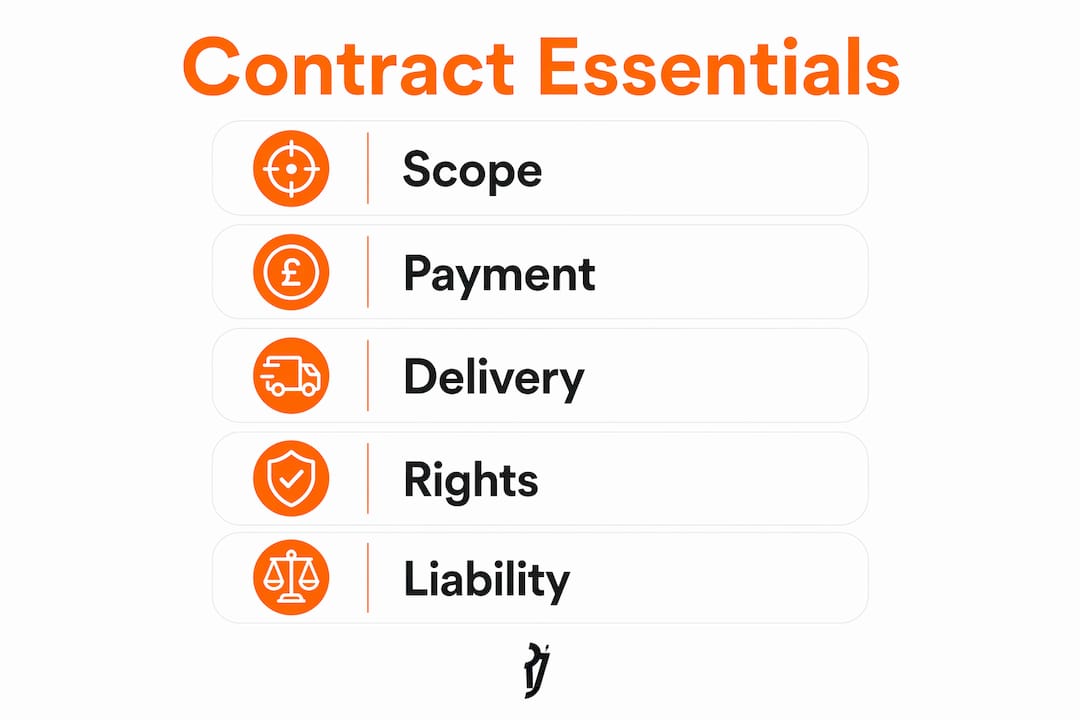
A photography contract for events is the formal written agreement that defines every aspect of the photography service. It covers the scope of work, payment schedule, image delivery, copyright ownership, and what happens if something goes wrong. Think of it as the rulebook both you and your photographer agree to follow before a single photo is taken.
Scope of services
The contract must state exactly what the photographer will deliver. This includes the number of hours covered, whether a second shooter is included, which parts of the event are photographed, and the locations involved. Vague scope clauses are the most common starting point for disputes, so specificity here protects everyone.

Payment terms and retainer
Most event photography contracts require a 20–30% non-refundable retainer at signing, with the balance due 14–30 days before the event. The retainer secures your date in the photographer’s diary. Missing the final payment deadline can void your booking, so note it clearly in your calendar.
Image delivery timelines
Standard delivery timelines range from 3 to 6 weeks for final edited galleries, with some photographers providing previews within 48–72 hours post-event. Knowing this upfront stops the frustration of chasing your photographer weeks after the celebration. Ask for both the preview and the final delivery date to be written into the contract.
Usage rights and copyright
Photographers retain copyright as an industry standard. What you receive as a client is a personal-use licence that allows you to print and share the images. This is not the same as owning the copyright. The contract must spell out exactly what you can and cannot do with the photos, including whether you can post them on social media or use them commercially.
Liability limits and force majeure
Liability caps typically limit the photographer’s liability to the total amount you paid. If images are lost or damaged, vague wording leaves you undercompensated. The contract should also include a force majeure clause covering illness, equipment failure, or unforeseen events, along with a substitution policy naming who steps in if the lead photographer cannot attend.
Coverage window details
Contracts should define the coverage window explicitly, including setup time, teardown, meal breaks, and overtime rates. A photographer who arrives at 2pm for a 2pm ceremony has no setup time. Clarifying start and end times prevents friction on the day itself.
Pro Tip: Ask your photographer to include a named substitute clause. If your lead photographer is ill on the day, you want to know exactly who will replace them and at what experience level.
| Component | Typical specification |
|---|---|
| Retainer | 20–30% non-refundable, paid at signing |
| Final balance | Due 14–30 days before the event |
| Image delivery | 3–6 weeks for final gallery; previews in 48–72 hours |
| Copyright | Retained by photographer; client receives personal-use licence |
| Liability cap | Limited to total amount paid |
| Coverage window | Defined start, end, breaks, and overtime rate |
How does a photography contract protect event organisers and photographers?
A well-written contract protects both parties by replacing assumptions with written commitments. A well-crafted contract addresses the four main dispute areas: refunds, delivery delays, scope, and usage rights. Clear language in each of these areas removes the grey areas that cause arguments after the event.
For event organisers specifically, the benefits are direct:
- Payment security. Your retainer is documented, and the cancellation policy is clear before you hand over any money.
- Delivery standards. You know when to expect your gallery and what format it arrives in.
- Image rights. You understand exactly what you can do with your photos, including printing and sharing online.
- Liability protection. You know what compensation applies if images are lost or the photographer fails to attend.
- Privacy. The contract can restrict the photographer from using your images in their portfolio without your consent.
Contracts serve to protect the client experience by codifying clear expectations and communication patterns. This means less anxiety on the day itself. When you know the photographer arrives at noon, delivers previews within 48 hours, and sends the full gallery within four weeks, you can relax and enjoy your event.
Pro Tip: Read the entire contract before signing, not just the price and date. The clauses around cancellation, substitution, and liability are where most surprises hide.
What are common pitfalls in event photography agreements?
Most clients sign photography contracts without fully reading them, often due to trust or deadline pressure. This is the single most avoidable mistake. Rushing a signature on a document you have not read is how disputes begin.
Several other pitfalls appear regularly:
- Copyright confusion. Clients assume they own the images because they paid for them. They do not. The photographer owns the copyright unless the contract explicitly transfers it, which is rare and usually expensive.
- Vague delivery timelines. A contract that says “images delivered in a reasonable time” gives you no recourse if you are still waiting three months later.
- Ignored liability caps. Many clients do not notice the clause limiting compensation to the amount paid. If your entire wedding gallery is lost, that cap matters enormously.
- Overlooked cancellation terms. Some contracts allow the photographer to cancel with minimal notice. Check what notice period applies and what refund you receive.
- Inflation clauses. Modern contracts may include inflation adjustment clauses to account for cost rises between booking and event date. If you book a year in advance, your final invoice could be higher than the original quote.
- Meal and break arrangements. A photographer working an eight-hour event needs breaks. If these are not defined, you may find your photographer unavailable during a key moment.
Pro Tip: If any clause is unclear, ask the photographer to explain it in plain language before you sign. A good photographer will welcome the conversation.
How can event organisers use photography contracts effectively?
Reviewing a photography contract well before your event gives you time to negotiate, ask questions, and request changes. Signing it the night before leaves you no room to push back on terms you dislike. Start the review process as soon as the contract arrives.
Follow these steps to get the most from your event photography agreement:
- Read every clause. Do not skip sections because they look like standard legal text. Liability, cancellation, and substitution clauses are where the real detail lives.
- Check the coverage window. Confirm the start time allows for setup and that overtime rates are clearly stated for events that run long.
- Clarify deliverables. Confirm the number of edited images, the file formats, and whether prints or albums are included or priced separately.
- Ask about second shooters. If a second photographer is promised, their name or minimum experience level should appear in the contract.
- Confirm the delivery timeline. Get both the preview date and the final gallery date in writing. Clients typically have up to 180 days post-event to request additional prints or edits before files are archived or fees apply.
- Use a digital signature platform. Tools like DocuSign or Adobe Acrobat Sign create a timestamped record of when both parties agreed to the terms.
- Keep an updated copy. If any terms change by mutual agreement, get the revised version signed and stored.
For weddings specifically, reviewing common wedding photography mistakes alongside your contract review helps you spot gaps in coverage before the day arrives. Corporate events and celebrations each have specific needs too. A corporate event contract should address image usage rights for marketing materials, while a birthday or family celebration contract may focus more on privacy and personal-use terms.
Pro Tip: For weddings and large celebrations, ask whether an engagement shoot is included or available as an add-on. It gives you a chance to see how the photographer works before the main event.
The 12 essential contract clauses recommended by industry professionals include force majeure, inflation adjustments, and explicit coverage windows. These are the clauses most often missing from basic templates.
Key takeaways
A photography contract for events protects both the client and the photographer by replacing assumptions with written, enforceable terms across payment, delivery, rights, and liability.
| Point | Details |
|---|---|
| Always read before signing | Rushing a signature is the most common cause of post-event disputes. |
| Retainer secures your date | Expect to pay 20–30% upfront; the balance is typically due 14–30 days before the event. |
| Copyright stays with the photographer | You receive a personal-use licence, not ownership of the images. |
| Delivery timelines must be written | Final galleries typically arrive within 3–6 weeks; get the exact date in the contract. |
| Check inflation and cancellation clauses | These two clauses affect your final cost and your options if plans change. |
Why I think most people underestimate the contract conversation
Most people treat the photography contract as a formality. They scan it, sign it, and file it away. I have seen this approach cause real stress, and not because photographers are trying to catch clients out. The problem is that a contract signed without understanding is a contract that cannot protect you.
The shift I have noticed in 2026 is that clients are becoming more confident asking questions before they sign. Digital signatures through platforms like DocuSign have made the process faster, but they have also made it easier to click through without reading. The speed of the process can work against you if you let it.
What I find most valuable about a detailed contract is not the legal protection. It is the clarity it creates before the event. When you know exactly when I arrive, what I will photograph, and when your gallery lands in your inbox, you can stop worrying about the photography and start enjoying the day. That is the whole point. The contract is not a barrier between us. It is the foundation that lets us both focus on capturing the happy moments that matter.
Contracts should also be treated as living documents. If your event changes, if you add a venue, extend the hours, or bring in a second shooter, update the contract and get both signatures again. A quick email agreement is not enough. A signed amendment is.
— Richard
How Richardjarmy makes event photography straightforward
Planning an event is exciting, and the photography should feel the same way. Richardjarmy works with couples, families, and organisations to capture the genuine, joyful moments that make every celebration worth remembering.

Every booking with Richardjarmy comes with clear, plain-language contract terms covering delivery timelines, image rights, and coverage details. There are no hidden clauses and no surprises on your invoice. Whether you are planning a wedding, a corporate event, or a special celebration, you can explore the full range of wedding photography services or browse the commercial photography options to find the right fit. Get in touch to talk through your event and see how straightforward the whole process can be.
FAQ
What is a photography contract for events?
A photography contract for events is a formal written agreement between a photographer and an event organiser that defines the services, payment terms, image delivery, copyright, and liability. It protects both parties and prevents disputes.
Who owns the photos after an event?
The photographer retains copyright as standard industry practice. Clients receive a personal-use licence that allows them to print and share the images, but does not transfer copyright ownership.
How much deposit do I need to pay to book an event photographer?
Most event photography contracts require a non-refundable retainer of 20–30% at signing, with the remaining balance due 14–30 days before the event date.
What happens if my photographer cannot attend on the day?
A well-written contract includes a substitution clause naming who will replace the lead photographer and at what experience level. Always check this clause before signing.
How long does it take to receive my photos after an event?
Standard delivery timelines run from 3 to 6 weeks for a final edited gallery. Many photographers also provide a preview selection within 48–72 hours of the event.