
A wedding photography checklist is a focused list of 25–40 essential shots that ensures you capture every vital moment, detail, and family grouping without restricting your photographer’s creativity. Known in the industry as a shot list, this document is the single most useful planning tool you can hand your photographer before the big day. Without one, key moments slip through the gaps. With a well-built one, you walk away with images that tell the full story of your wedding.
1. What is a shot list for weddings?
A shot list is a priority guide, not a script. It organises your must-have photos by time of day, so your photographer can anticipate the day’s flow and focus on what matters most. Think of it as a map rather than a set of instructions.
The shot list covers six core categories: getting ready, ceremony, family portraits, wedding party, couple portraits, and reception. Each category holds a different emotional weight. Getting ready shots capture the quiet excitement before the day begins. Ceremony shots preserve the vows, the tears, and the first kiss. Reception shots document the joy and celebration that follows.
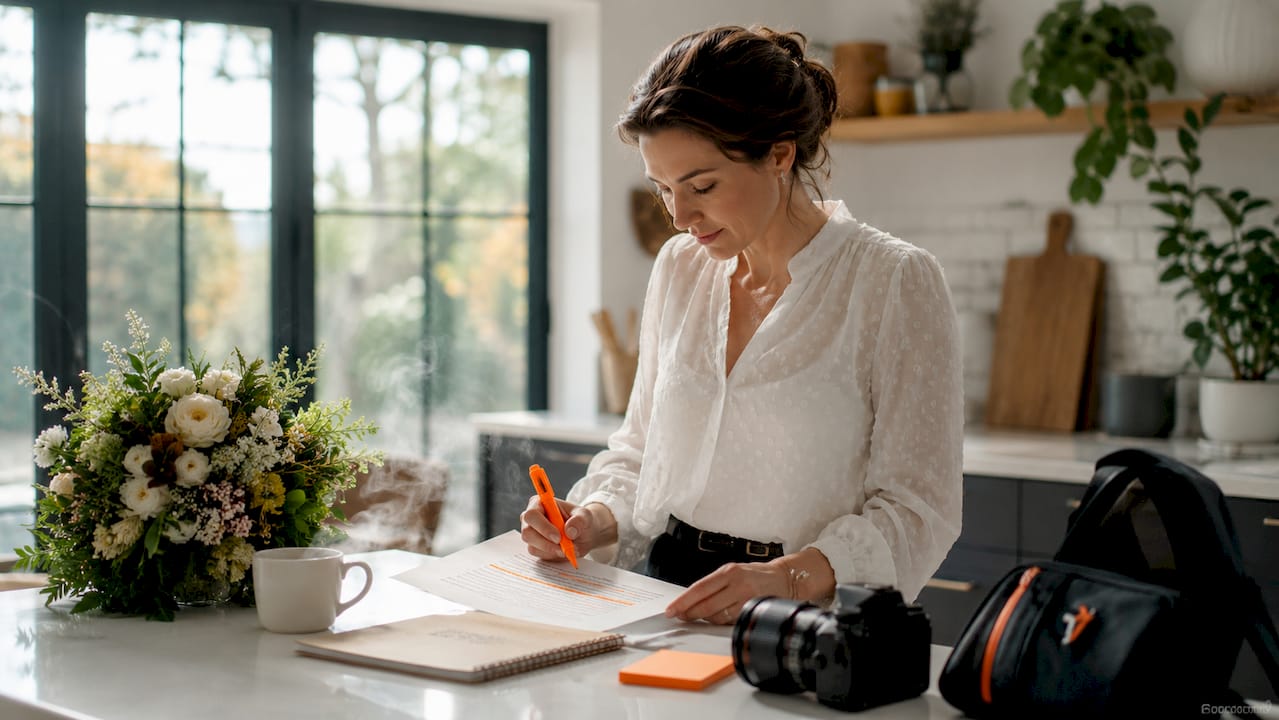
A good shot list also flags key people, such as elderly grandparents or guests travelling from abroad, so your photographer knows who to prioritise. Without this context, a photographer working a busy room may simply miss them.
2. Essential categories on your wedding photo shot list
A comprehensive 2026 photography plan typically includes 15–20 detail and moment shots during getting ready, 20–25 key ceremony moments, 10–15 family portrait groupings, and 15–20 reception highlights. That distribution gives you a full narrative arc across the day.
Getting ready shots to include:
- Dress hanging in natural light
- Rings on a textured surface
- Invitation suite flat-lay
- Shoes, jewellery, perfume or cologne
- Bouquet and boutonnière
- Heirloom items such as a grandmother’s handkerchief or a special pin
- Candid moments with bridesmaids or groomsmen
- First look at the finished outfit
Ceremony shots to include:
The ceremony shot list should be specific and ordered, covering the processional, vows, ring exchange, first kiss, and recessional. Add any cultural or religious rituals by name so your photographer knows exactly what to expect. A Hindu ceremony includes moments like the Saptapadi that a photographer unfamiliar with the tradition might otherwise miss.
Reception shots to include:
- Grand entrance
- First dance
- Parent dances
- Speeches and reactions
- Cake cutting
- Bouquet toss
- Candid guest moments
- Detail shots of the table settings and décor
Pro Tip: Include a note beside any cultural or personal ritual on your list. A single sentence explaining what happens and when gives your photographer the confidence to capture it properly.
3. How to create a manageable checklist that works for you
Expert advice recommends a concise shot list of 25–40 items rather than an exhaustive catalogue of 200 shots. Photographers given very long lists spend the day ticking boxes instead of watching for genuine emotion. The result is technically complete but emotionally flat.
Organise your list by timeline segment: preparation, ceremony, portraits, and reception. This mirrors how the day actually unfolds and helps your photographer move through the day without confusion. Number each section and keep descriptions brief.
A simple structure to follow:
- Section 1: Getting ready (list 8–10 shots)
- Section 2: Ceremony (list 10–12 shots)
- Section 3: Family portraits (list 10–15 groupings in order)
- Section 4: Reception (list 8–10 shots)
Family portraits work best when you assign a trusted friend or family member to gather each group. This keeps the session moving and protects your cocktail hour. Without a designated helper, portrait sessions routinely run 20–30 minutes over schedule.
Pro Tip: Print your shot list and share it with your photographer at least two weeks before the wedding. Discuss it together so they can flag anything impractical and suggest alternatives.
4. Common mistakes to avoid when planning your photography checklist
The most damaging mistake couples make is building an overly detailed shot list. Photographers given lists of around 200 items produce worse results because they lose the freedom to react to spontaneous moments. A child pulling a funny face during the speeches, or a grandparent wiping away a tear, cannot be scheduled. You can read more about this in Richardjarmy’s guide to common photography pitfalls.
A second mistake is neglecting detail shots. Key detail shots such as rings on textured surfaces, the invitation suite, and heirloom items tell the story of the day before the ceremony even begins. Couples who skip these often regret it when they look back at their gallery.
A third mistake is failing to keep guests comfortable during formal portraits. Providing snacks and drinks during the portrait session keeps people present and engaged. Guests who are hungry or bored drift away, and reassembling a group of 15 people costs precious time.
Finally, leave room for spontaneity. Your checklist covers the must-haves. Trust your photographer to capture everything else. The images couples treasure most are often the unplanned ones.
5. How to tailor your checklist for different wedding sizes and styles
The right checklist for an intimate wedding of 30 guests looks very different from one for a celebration of 200. Scaling your list to match your wedding’s size and style prevents both gaps and unnecessary pressure.
| Wedding style | Family groupings | Ceremony focus | Reception priority |
|---|---|---|---|
| Intimate (under 50 guests) | 5–8 groupings | Personal vows, close-ups | Candid moments, table details |
| Mid-size (50–150 guests) | 10–12 groupings | Full processional, wide shots | Speeches, first dance, dancing |
| Large (150+ guests) | 12–15 groupings | Multiple angles, cultural rituals | Grand entrance, cake, bouquet |
| Themed or destination | Venue details, styled shots | Unique décor and backdrop | Sunset portraits, venue highlights |
For cultural or traditional weddings, add a dedicated section to your shot list for rituals specific to your background. A Jewish wedding includes the Chuppah and Ketubah signing. A South Asian wedding may include the Baraat procession. Name each ritual explicitly rather than writing “cultural moments” as a catch-all.
For 2026 weddings, wedding photo ideas increasingly include golden-hour couple portraits, film-inspired colour tones, and candid documentary-style coverage. If any of these appeal to you, note them on your list so your photographer can plan the timing accordingly.
Pro Tip: For large weddings, create a separate one-page family portrait list in the order you want the groups photographed. Hand it to your designated helper on the morning of the wedding.
6. How a pre-wedding shoot sharpens your shot list
A pre-wedding shoot is one of the most practical tools for refining your shot list before the big day. It gives you and your photographer a chance to work together in a relaxed setting, which reveals what poses feel natural, what locations work well, and what you genuinely want more of.
Couples who complete a pre-wedding shoot arrive on their wedding day already comfortable in front of the camera. That comfort shows in the final images. Stiff, self-conscious portraits are almost always the result of couples who have never been photographed together professionally before.
Use the pre-wedding shoot to test any specific ideas on your list. If a particular style of portrait or a certain location appeals to you, try it in advance. You will either confirm it belongs on your list or discover something better.
Key takeaways
A wedding photography checklist of 25–40 priority shots, organised by timeline and shared with your photographer in advance, produces more authentic and memorable images than an exhaustive list ever will.
| Point | Details |
|---|---|
| Keep the list concise | A 25–40 item shot list gives photographers freedom to capture genuine moments. |
| Organise by timeline | Structure shots across getting ready, ceremony, portraits, and reception segments. |
| Include detail shots | Rings, heirlooms, and flat-lays tell the story before the ceremony begins. |
| Assign a portrait helper | A designated person to gather groups keeps the session on time. |
| Trust your photographer | Leave room for spontaneous moments beyond the checklist. |
What I have learned from years of wedding shot lists
Every couple I work with arrives with a slightly different idea of what a shot list should be. Some hand me a spreadsheet with 180 rows. Others say “just do what you think is best.” The truth, as I have found over many weddings, sits comfortably between those two approaches.
The couples who get the most from their gallery are the ones who give me a clear list of their priorities and then let me get on with it. When I know that the grandmother in the blue hat is the most important person in the room, or that the handmade cake took three weeks to bake, I can make sure those moments are captured beautifully. When I am working through a 200-item checklist, I am watching a document instead of watching the room.
What I genuinely love about a well-made shot list is that it starts a conversation. When we sit down together before your wedding and go through it, I learn what matters most to you. That conversation changes how I photograph your day. I am not just ticking boxes. I am looking for the moments that reflect the things you told me you care about.
My honest advice: be specific about your priorities, be flexible about everything else, and trust that the unplanned moments are often the ones you will love most.
— Richard
Plan your wedding photography with Richardjarmy
Richardjarmy works with couples across the UK to build a photography plan that fits your day perfectly. From the first consultation to the final gallery, every wedding is approached with genuine care and a focus on capturing real happiness.
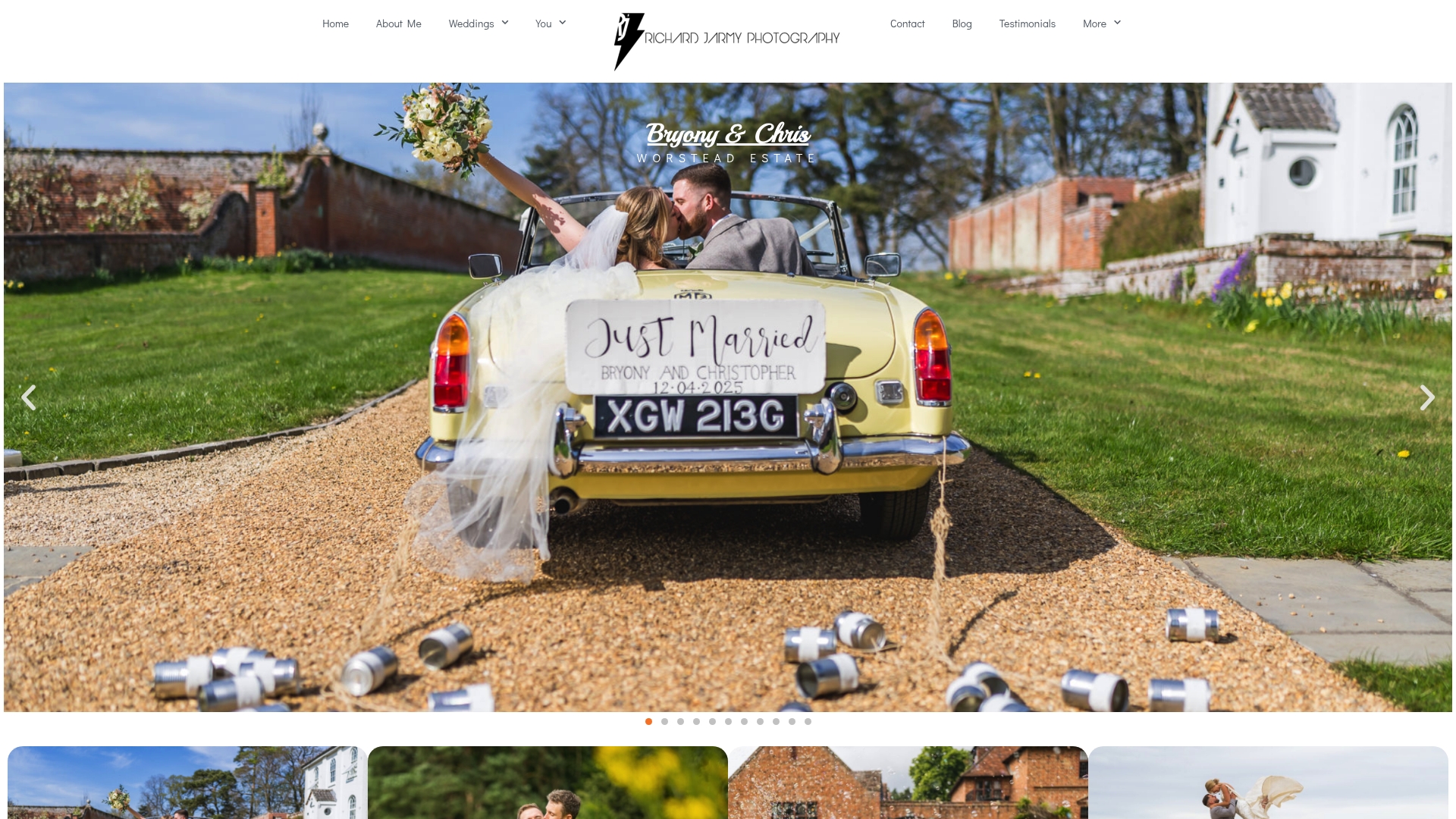
Whether you are planning an intimate ceremony or a large celebration, Richardjarmy will sit down with you, go through your shot list together, and make sure nothing important is missed. The wedding photography packages are tailored to each couple, and the gallery speaks for itself. Get in touch today to talk about your 2026 wedding and start planning the images you will treasure for life.
FAQ
What is a shot list for weddings?
A shot list is a priority guide that tells your photographer which specific moments, people, and details to capture on your wedding day. It is organised by timeline segment and typically contains 25–40 items.
How many shots should be on a wedding photography checklist?
A list of 25–40 priority shots is the recommended length. Lists of around 200 items cause photographers to focus on checking boxes rather than capturing authentic moments.
When should I share my shot list with my photographer?
Share your shot list at least two weeks before the wedding. This gives your photographer time to review it, flag anything impractical, and plan the day’s timing around your priorities.
Should I include candid shots on my checklist?
Candid shots do not belong on a formal checklist. Trust your photographer to capture spontaneous moments throughout the day. The checklist covers must-have shots; everything else is your photographer’s creative territory.
How do I adapt my checklist for a cultural wedding?
Add a dedicated section for each cultural ritual, named specifically, such as the Baraat procession or the Chuppah ceremony. Include a brief note explaining what happens and when so your photographer can prepare.