
Common wedding photography mistakes are the single biggest reason couples end up with a beautiful wedding but a disappointing album. These errors, from over-scripted poses to poor timing and missing backup plans, fall under what photographers call “preventable shoot failures.” Knowing what they are before your big day gives you the power to avoid them. This guide covers the most frequent pitfalls, explains why they happen, and gives you clear, practical ways to make sure your photos reflect the joy and love of the day exactly as it felt.
1. common wedding photography mistakes: overplanning your poses
Overly detailed pose lists limit a photographer’s ability to capture spontaneous, authentic moments. When you hand your photographer a 40-item Pinterest checklist, you are essentially directing a film rather than living your wedding. The result is a series of stiff, staged images that look more like a catalogue shoot than a celebration.
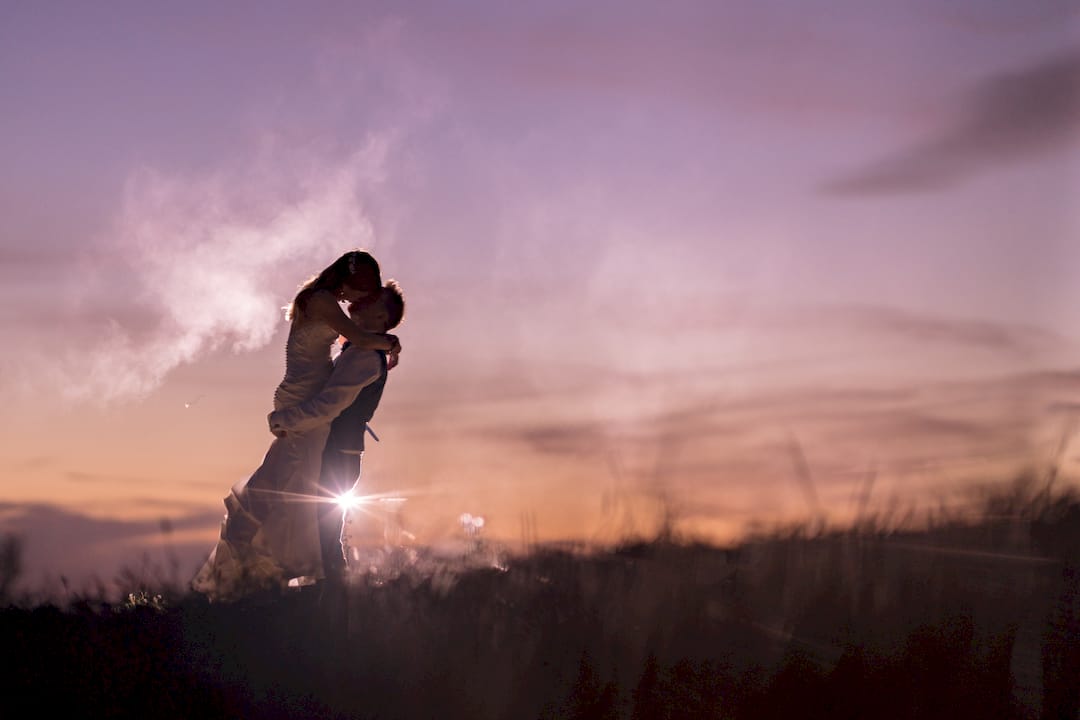
The most effective approach is a brief list of 5–6 must-have family groupings. That number keeps things moving without eating into the time your photographer needs to find the real moments. Beyond those essentials, trust the professional you hired to read the room and find the shots that will make you smile for decades.
Pros and cons of structured vs. spontaneous sessions:
-
Structured (long shot list): Predictable coverage, but risks stiff expressions and lost candid moments
-
Spontaneous (minimal list): Natural, joyful images, but requires a photographer you genuinely trust
-
Balanced approach: A short must-have list plus creative freedom delivers the best of both
Pro Tip: Share your short list of family groupings with your photographer at least two weeks before the wedding. That gives them time to plan the sequence and keep group shots to under 20 minutes.
2. arriving late and skipping venue preparation
Poor timing is one of the most overlooked wedding photography moments that couples regret. When your photographer arrives rushed, there is no time to scout the light, test the settings, or find the best angles before guests arrive.
Arriving 30–60 minutes early for venue test shots is the standard recommendation from experienced wedding photographers. That window allows for lighting checks, identifying problem areas (such as harsh backlight from windows), and setting up for the first key moments of the day. Skipping this step is like a chef arriving at the restaurant after the first guests are already seated.
Here is what good pre-shoot preparation looks like:
-
Photographer arrives 30–60 minutes before the ceremony or couple’s arrival
-
Test shots taken in the main ceremony and reception spaces
-
Lighting conditions assessed and camera settings adjusted accordingly
-
Key locations identified for portraits, family shots, and candid coverage
-
Buffer time built into the schedule for weather changes or delays
Build that buffer into your wedding day timeline. A 15-minute gap between “photographer arrives” and “first photos begin” is not wasted time. It is insurance for your memories.
3. poor light management and camera settings
Harsh midday sun or mixed indoor lighting causes some of the most common errors in wedding shoots, and most couples do not realise it until they see the proofs. Bright overhead sun creates unflattering shadows under eyes and chins. Mixed lighting indoors (think warm tungsten bulbs next to cool daylight from windows) produces colour casts that are difficult to correct in editing.
Slow shutter speeds cause motion blur in candid wedding moments. A first dance, a child running across the room, a spontaneous laugh: all of these are lost if the shutter is not fast enough. Protecting shutter speed is the priority, even if it means raising the ISO and accepting a little grain.
As a couple, you can actively help your photographer manage light:
-
Choose shaded locations for outdoor portraits, especially between 11am and 3pm
-
Avoid positioning yourselves directly in front of bright windows during the ceremony
-
Discuss the venue lighting with your photographer at a pre-wedding visit
-
Consider the season and time of day when scheduling outdoor portrait sessions
Good light is not always available. A good photographer works with what is there. But you can make their job significantly easier with a few simple choices.
4. ignoring engagement shoot preparation
Common engagement shoot mistakes carry directly into the wedding day. The engagement session is not just a nice extra. It is the rehearsal that makes your wedding photos genuinely relaxed and happy.
Booking an engagement session ahead of the wedding helps couples build rapport and feel comfortable, preventing stiff and unnatural photos on the big day. When you have already laughed with your photographer, been guided through a few natural poses, and seen how the process works, you arrive at your wedding feeling confident rather than self-conscious.
Outfit choices matter too. White engagement outfits often preview the wedding dress and lead to regret, and certain fabrics create moiré patterns on camera. Testing outfits beforehand reveals these issues before they matter. A quick camera test of your planned engagement outfit takes five minutes and saves a lot of disappointment.
Pro Tip: Book your engagement shoot at least three months before the wedding. Use it to test not just your outfits but your comfort with being photographed. The more relaxed you feel, the better your wedding photos will be.
5. letting guests interfere with the photographer
Guest interference and attempts to direct photographers cause stress and disrupt the planned flow of a wedding shoot. A well-meaning uncle who steps in to “help” by calling out poses, or a friend who keeps asking the photographer to stop for a group selfie, genuinely reduces the quality of your coverage.
Your photographer is hired to lead the shoot. Second-guessing their decisions mid-event creates hesitation, breaks the natural rhythm of the day, and pulls attention away from the real moments unfolding around you. The best wedding photos happen when the photographer is free to move, observe, and react.
Communicate clearly with your wedding party and close family before the day. Let them know the photographer is in charge of directing shots, and that the best thing they can do is carry on enjoying themselves. A relaxed, unselfconscious wedding party produces far better photos than one that is constantly aware of the camera.
Pro Tip: Ask a trusted friend or family member to act as a “photo helper” on the day. Their job is to gather the right people for group shots quickly, so the photographer can focus on capturing the moments in between.
6. having no backup plan for gear and files
A lack of backup plans, including spare batteries, memory cards, duplicate cameras, and file redundancy, greatly increases the risk of losing valuable images. Equipment fails. Cards corrupt. Batteries die at the worst possible moment. A professional photographer who arrives without backups is not prepared for a wedding.
Ask your photographer directly about their backup workflow before you book. The answer tells you a great deal about their professionalism. Here is how common backup practices compare:
| Backup Method | Reliability | Notes |
|---|---|---|
| Single memory card | Low | One point of failure; card corruption loses everything |
| Dual card slots (writing simultaneously) | High | Industry standard for professional wedding cameras |
| Spare batteries and charger | High | Non-negotiable for a full-day shoot |
| Backup camera body | High | Protects against mechanical failure mid-event |
| Off-site file backup after shoot | Very High | Protects against studio fire, theft, or drive failure |
A photographer who uses dual card slots and backs up files to a second location after the shoot is protecting your memories at every stage. That is the standard you should expect.
Key takeaways
Avoiding common wedding photography mistakes comes down to three things: clear communication with your photographer, a realistic timeline, and trusting the professional you have chosen.
| Point | Details |
|---|---|
| Keep pose lists short | Limit family groupings to 5–6 essentials and let your photographer find the candid moments. |
| Build time into your schedule | Allow 30–60 minutes for your photographer to arrive early and prepare the venue. |
| Book an engagement session | Use it to build comfort, test outfits, and rehearse being in front of the camera. |
| Manage guest behaviour | Brief your wedding party so guests do not disrupt the photographer’s flow. |
| Confirm backup protocols | Ask your photographer about dual card slots, spare bodies, and post-shoot file backups. |
What i have learned after years behind the lens
The couples who end up with the most beautiful wedding albums are almost never the ones who planned the most. They are the ones who relaxed the most. I have photographed weddings where the couple handed me a single page of notes and trusted me completely. Those days produced images that made people cry happy tears. I have also photographed weddings where every minute was scripted, and the resulting photos, while technically fine, felt a little hollow.
The overlooked wedding photography moments that people treasure most are rarely the posed ones. They are the glance between the couple during the vows. The grandmother wiping her eye. The flower girl spinning in her dress when she thinks no one is watching. You cannot plan for those. You can only create the conditions where they are likely to happen, and then get out of the way.
One thing I always recommend is a pre-wedding engagement shoot. Not because it produces great photos (though it does), but because it changes the dynamic between us. By the time your wedding day arrives, I am not a stranger with a camera. I am someone you have already laughed with. That changes everything about how you behave in front of the lens.
Trust your photographer. Give them time. Keep the guest interference to a minimum. Those three things will do more for your wedding album than any Pinterest board ever could.
— Richard
How Richardjarmy helps you avoid these mistakes
Richardjarmy is built around one idea: that the best wedding photos come from genuine happiness, not perfect planning. Every couple who books with Richardjarmy gets a warm, personal approach from the very first conversation, long before the wedding day arrives.
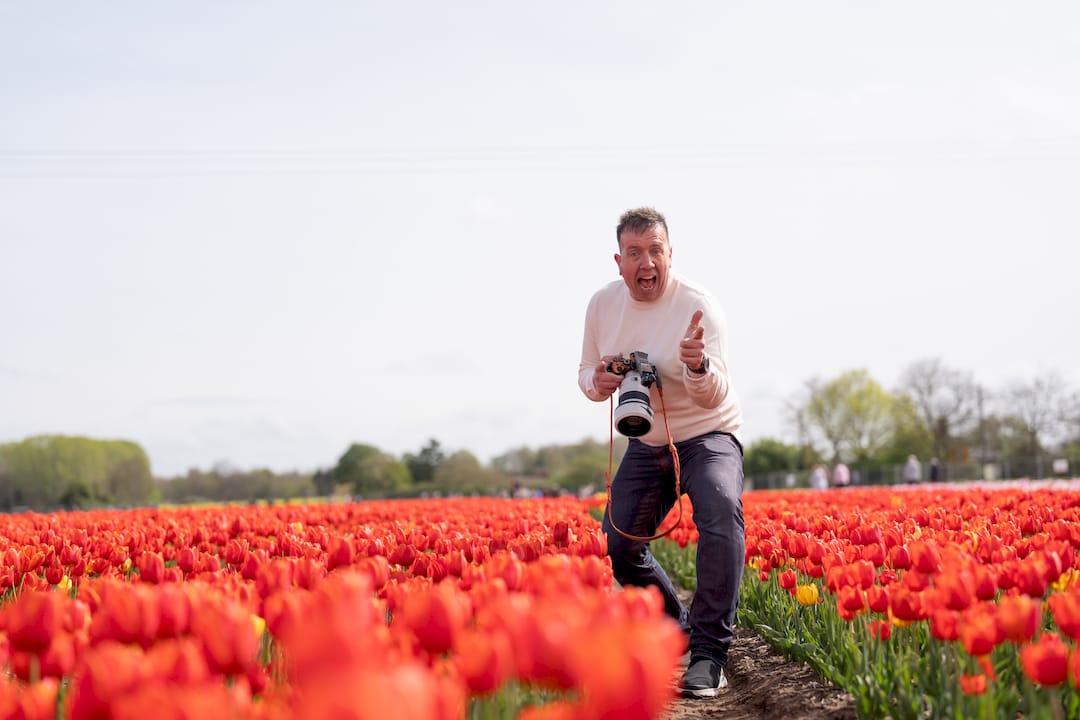
From engagement sessions that build real comfort and connection, to arriving early at every venue to scout the light and prepare properly, Richardjarmy takes care of the details that protect your memories. Backup gear, dual card workflows, and a relaxed, joyful approach to the day mean you can focus entirely on getting married. If you want wedding photography that captures who you actually are, rather than who you think you should look like in photos, get in touch and let’s talk about your day.
FAQ
How many poses should i plan for my wedding?
Limit your must-have list to 5–6 family groupings and leave the rest to your photographer. Over-scripting poses is one of the most common wedding photo blunders because it removes the space for natural, joyful moments.
Why is an engagement shoot worth booking?
An engagement session builds rapport between you and your photographer, so you feel relaxed and natural on your wedding day. It also lets you test outfits on camera and avoid issues like moiré patterns or unflattering fabrics.
What backup equipment should my photographer have?
A professional wedding photographer should carry a backup camera body, spare batteries, and use a camera with dual card slots that writes images simultaneously to two cards. Ask about their post-shoot file backup process as well.
How early should a wedding photographer arrive?
Photographers should arrive 30–60 minutes before the first scheduled shots to complete test shots, assess lighting, and prepare for the day. This preparation time directly improves the quality of your coverage.
How do i stop guests from interfering with photos?
Brief your wedding party and close family before the day and let them know the photographer leads all directed shots. Appointing one trusted person to help gather groups quickly keeps things moving and protects the photographer’s focus.